


 English
 русский
 Español
 عربى

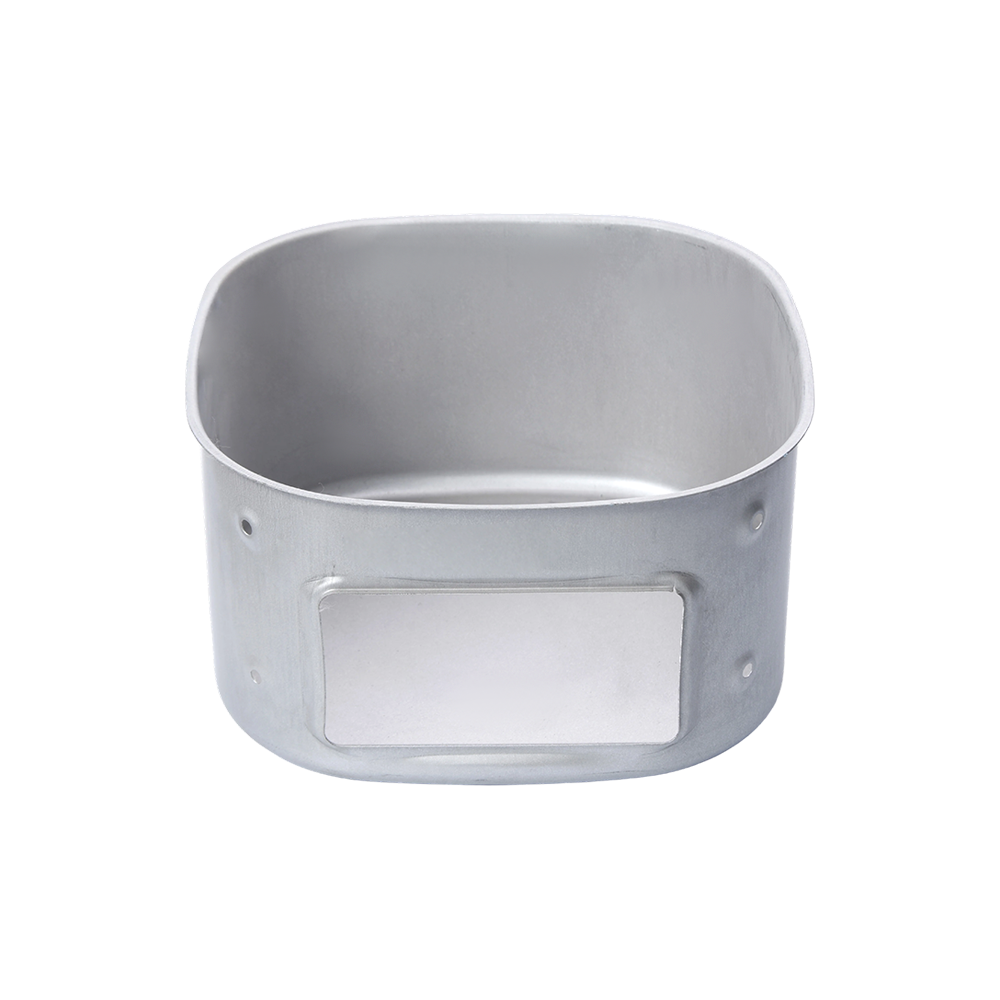
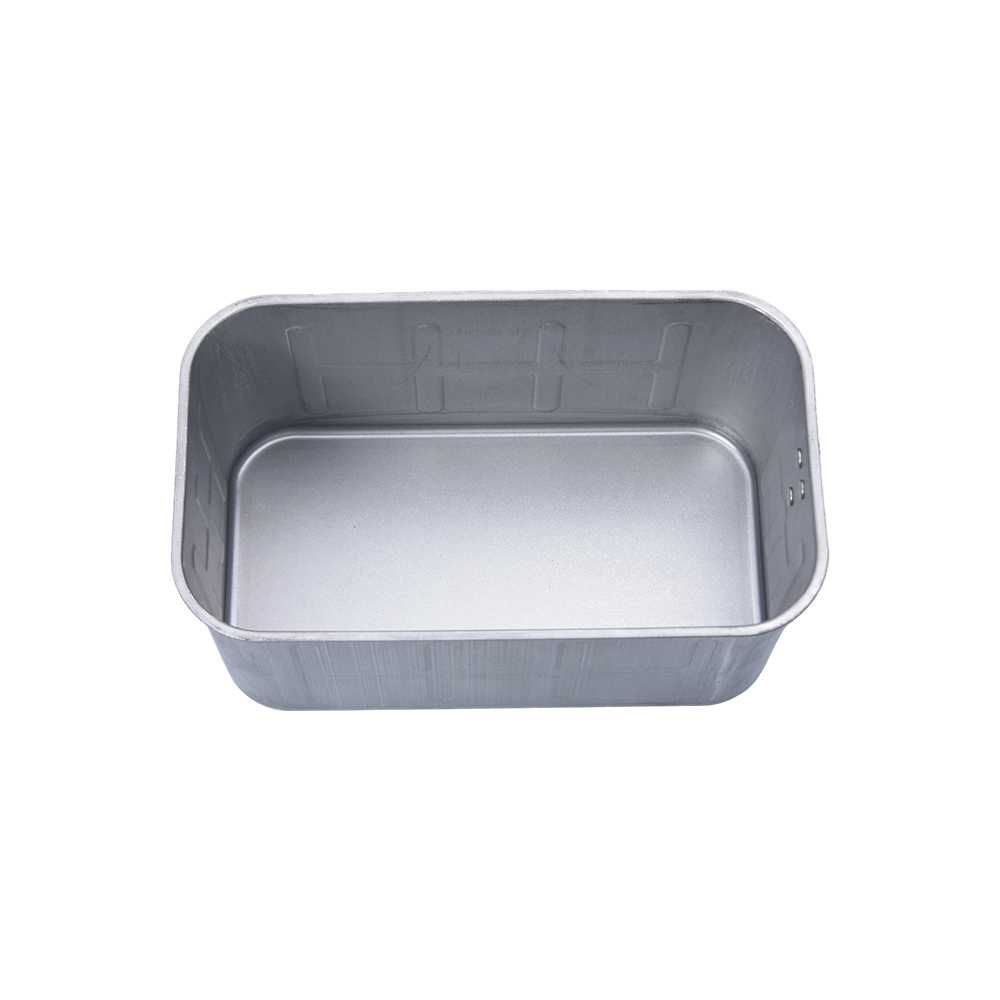
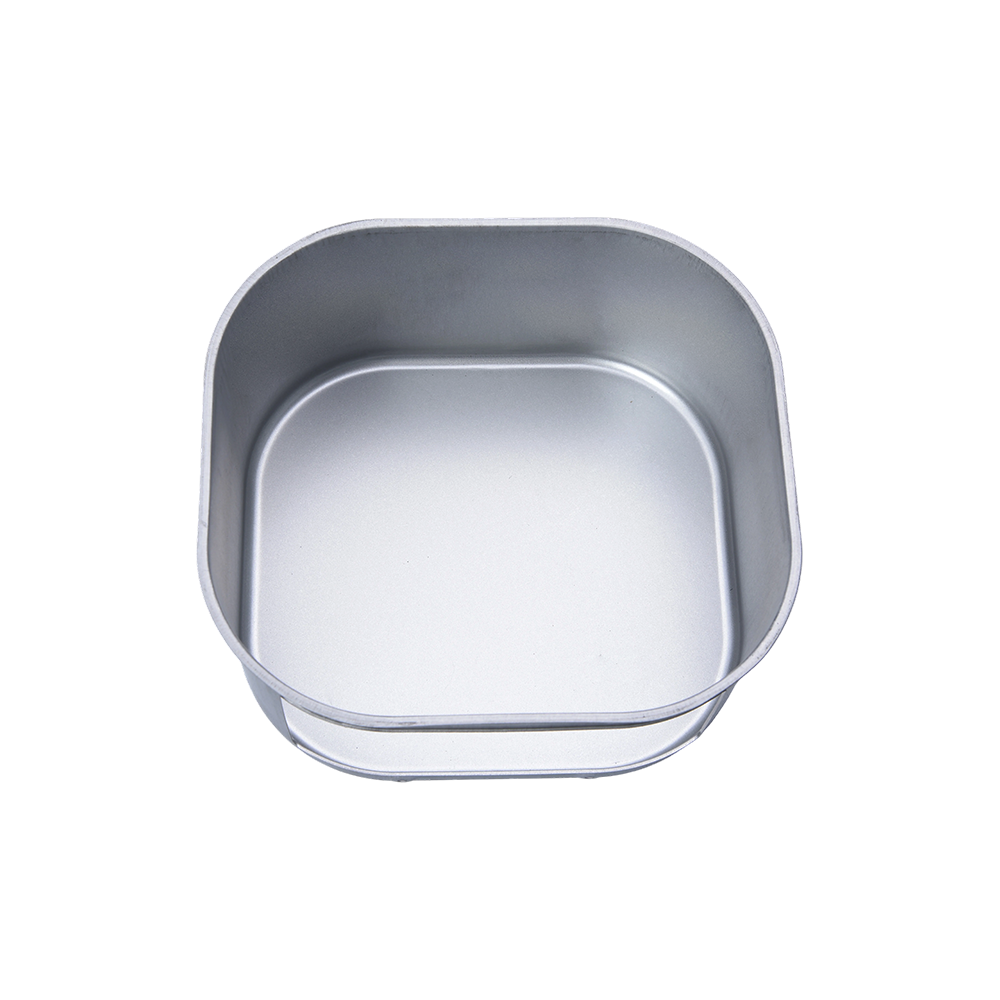
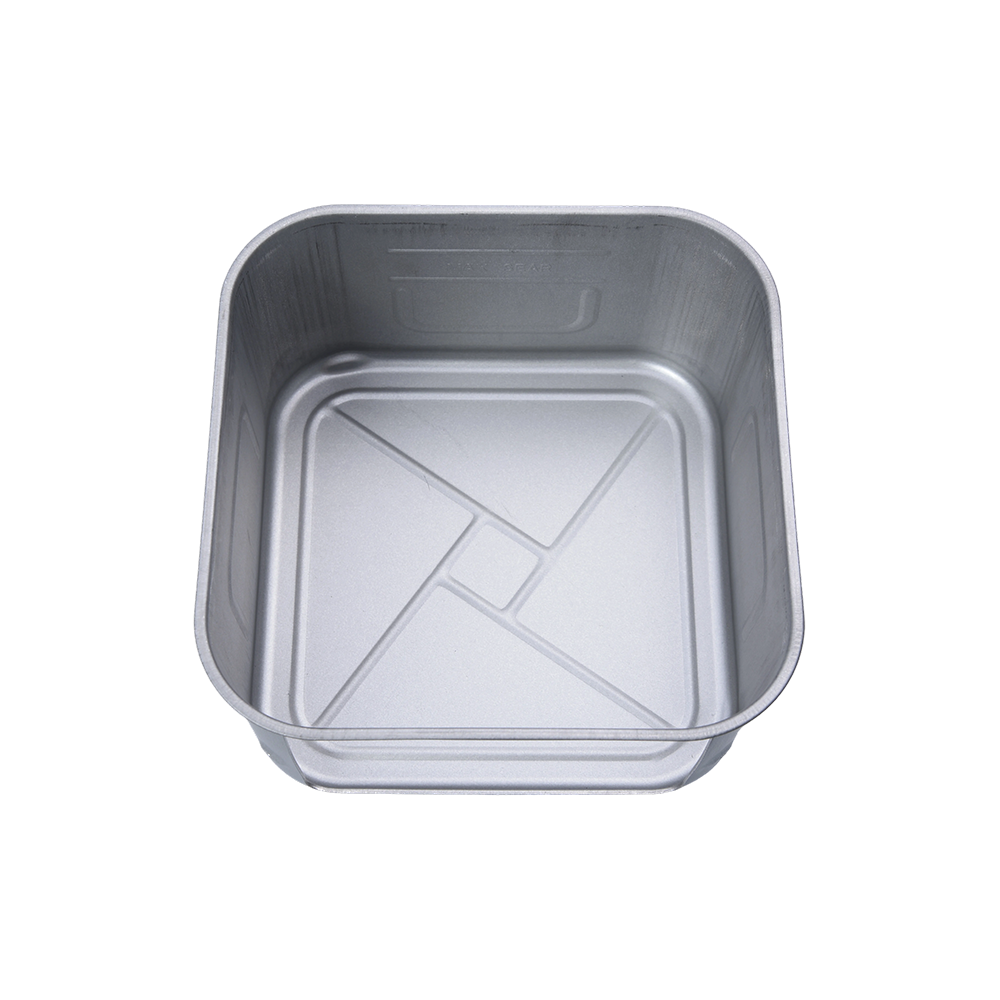
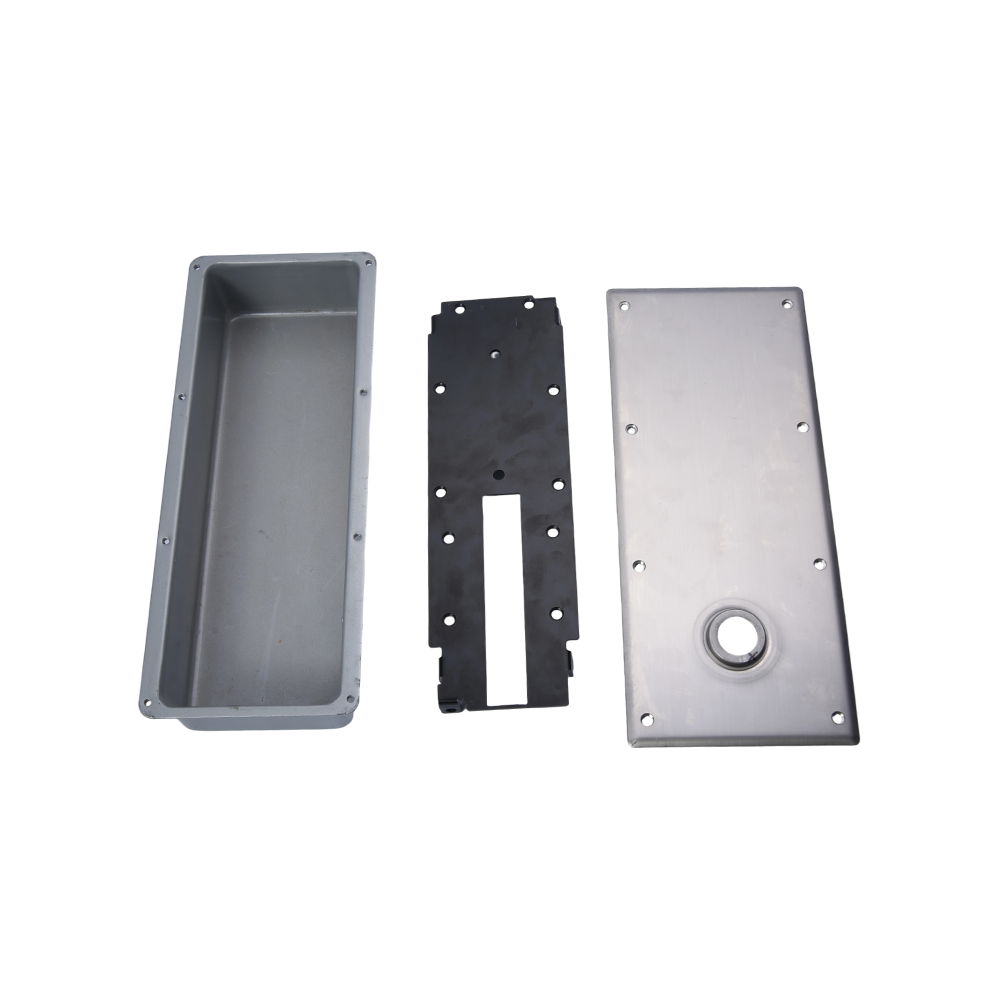
A flat mounting plate with three punched holes and a rectangular container with a fitted lid can come off presses in the same workshop, yet...
READ MORE

News
Home / News / Industry News / How Sheet Metal Fabrication Works: Stamping, Bending, Deep Drawing Explained
How Sheet Metal Fabrication Works: Stamping, Bending, Deep Drawing Explained
2026-10-26
What Is Sheet Metal Fabrication?
Sheet metal fabrication is the process of transforming flat metal sheets into finished parts, components, and assemblies through a sequence of cutting, forming, joining, and finishing operations. It is one of the most flexible manufacturing methods available, and after more than 20 years of producing stamped, bent, and deep drawn parts, we have come to appreciate how well it balances precision, strength, and cost efficiency. In this article, we explain how sheet metal fabrication works in practice, from the first design review to the final quality check.
From small electronics brackets to large household appliance structures, this method supports an incredibly wide range of industries. That is why understanding the fundamentals matters, whether you are developing a new product or improving an existing one.
The Sheet Metal Fabrication Process, Step by Step
Every sheet metal project follows a similar path, even when the parts look completely different. The workflow begins with a design or engineering drawing and ends with a metal component that meets the required dimensions and performance targets.
- Design and engineering review
- Material selection
- Cutting the blank to size
- Forming through stamping, bending, or deep drawing
- Joining, assembly, and surface finishing
- Inspection and quality control
Cutting
The first physical operation is cutting the sheet into blanks. Laser cutting provides clean edges and tight tolerances for complex contours, while shearing is faster for straight cuts and large volumes. CNC punching can also generate holes and cutouts in the same step. The right choice depends on the part geometry, material thickness, and production quantity.
Stamping
Stamping uses a press and a set of dies to shape sheet metal. It is especially efficient when you need consistent, repeatable parts in high volumes. Progressive dies can combine multiple operations, such as blanking, piercing, and forming, into a single press cycle. In our workshop, we manufacture a wide range of sheet metal stamping parts, from circular blanks with central holes to chassis pieces and ultra-thin components.
 Custom Stamped Circular Parts with HolesExplore precise stamped circular blanks with customizable hole patterns, offering rust resistance and high-temperature performance for demanding industrial applications.View Product →
Stamping is a strong choice when the part includes holes, flanges, ribs, or other features that would be slow to produce through bending alone.
Bending
Bending creates three-dimensional shapes by applying force along a straight axis. Press brakes use a punch and die to form angles, channels, and box-like sections. One important detail is springback, the tendency of metal to return slightly toward its original shape, so tooling must compensate for it. If you are curious about this step, we offer a range of metal bending parts that show how clean, consistent bends are achieved.
Deep Drawing
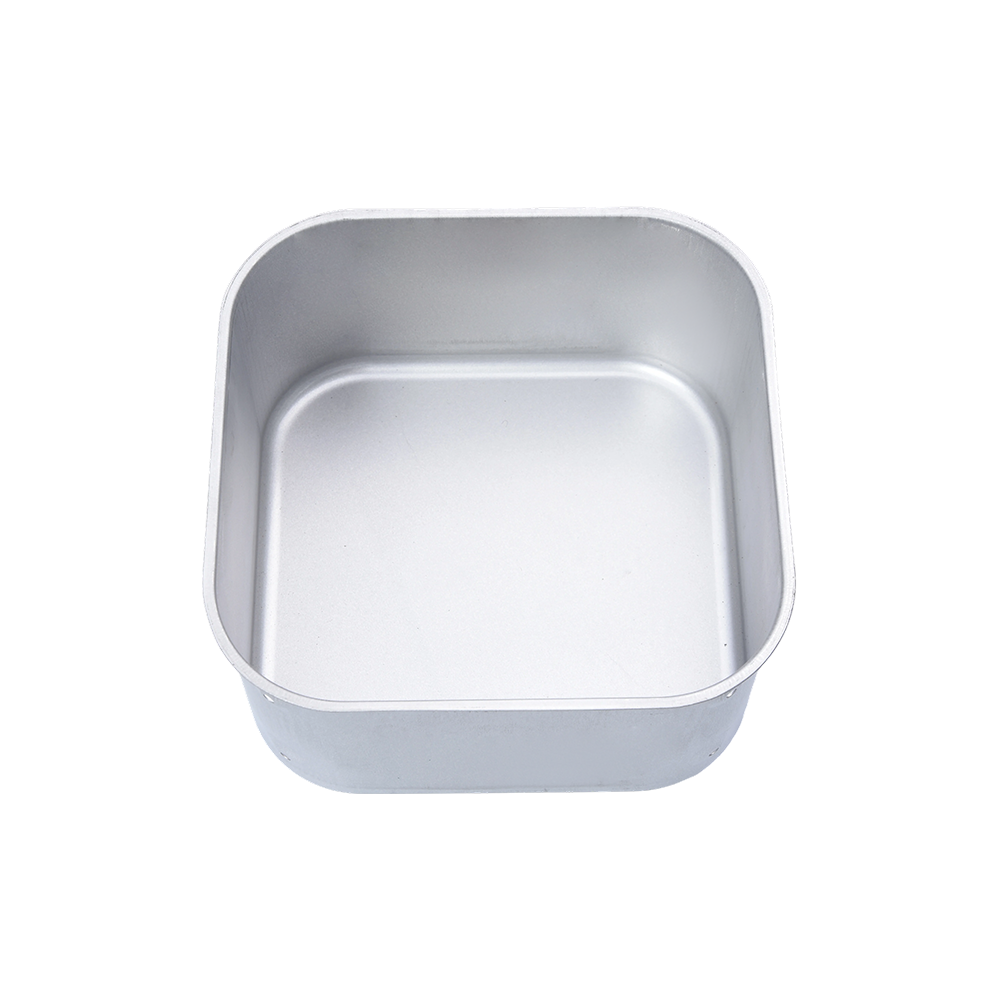
Deep drawing pulls a flat blank into a die cavity to create hollow, cup-shaped, or box-shaped parts. It is commonly used for containers, enclosures, and kitchen appliance components. Controlling material flow, lubrication, and punch speed is essential to avoid cracking or wrinkling. Deep drawn parts can be simple trays or more complex rectangular containers with handles, lids, or cutouts.
 Deep-Drawn Rectangular Container with HandleThis seamless, deep-drawn container combines strength and hygiene, with customizable sizes and finishes suitable for food, medical, or industrial use.View Product →
Joining, Assembly, and Finishing
After forming, parts may be welded, riveted, or fastened together, then finished with polishing, powder coating, or other surface treatments. These steps protect the metal, improve its appearance, and add corrosion resistance. In many projects, assembly also includes attaching small components such as straps, connectors, or mounting hardware before the part ships.
Materials Used in Sheet Metal Fabrication
Material selection affects strength, formability, corrosion resistance, and cost. The table below lists the materials we work with most often.
| Material | Key Characteristics | Common Applications |
|---|---|---|
| Carbon steel | Strong, affordable, easy to form | Brackets, chassis, structural parts |
| Stainless steel | Corrosion-resistant, durable | Kitchen components, enclosures |
| Aluminum | Lightweight, good conductivity | Heat sinks, housings, trays |
| Copper and brass | Excellent conductivity, attractive finish | Terminals, connectors, fittings |
| Galvanized steel | Rust-resistant coating | Outdoor enclosures, frames |
Each material behaves differently under cutting, bending, and drawing, which is why we confirm the grade early in the project. For example, stainless steel resists corrosion but work-hardens quickly, while aluminum offers light weight but needs careful handling in deep drawing. Choosing the right material upfront saves time and avoids surprises later.
Design Considerations for Fabricated Sheet Metal Parts
A good design makes fabrication faster, cheaper, and more reliable. Based on our experience with custom components, these rules help avoid common problems:
- Keep bend radii at or above the material thickness to prevent cracking.
- Place holes at least two times the material thickness away from edges and bends.
- Use standard tolerances where possible; tight tolerances increase tooling and inspection costs.
- Avoid deep narrow features that are difficult to form or clean.
- Remember that grain direction can affect bend quality.
If you are designing a part that will be stamped or deep drawn, it is also wise to minimize sharp internal corners and keep wall thickness as uniform as possible. These small choices have a big impact on tool life and production consistency.
Quality Control Keeps Fabrication Consistent
Fabrication is only useful when every part matches the next. Our quality routine starts with incoming material inspection and continues through in-process checks and final verification. Common methods include visual inspection, dimensional measurement, and occasional hardness or material verification. For critical components, we also document measurements and maintain traceability so that any issue can be traced back to its source.
Our production floor includes dedicated stamping workshops and inspection equipment, which allows us to keep an eye on quality from the very first blank to the finished part. This approach is especially important for automotive components and kitchen appliance accessories, where safety and fit matter.
Applications Across Industries
Sheet metal fabrication is everywhere around us. In the automotive sector, stamped sheet metal parts are used for body panels, mounting brackets, and interior supports. In the home appliance industry, metal components form the base, tray, and container structures of products like air fryers and ovens.
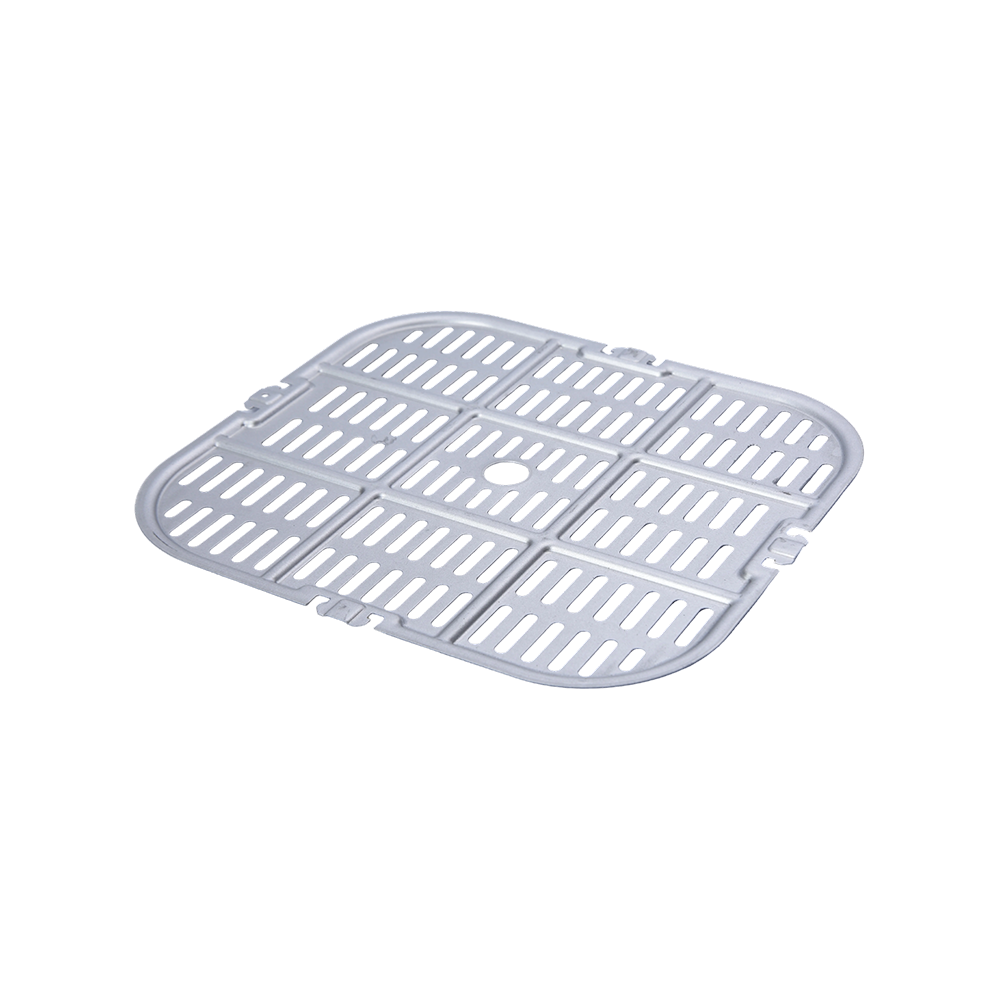 Air Fryer Baking Tray for Versatile CookingA durable, perforated baking tray designed for even heating and crispy results, ideal for expanding your air fryer's cooking capabilities.View Product →
Deep drawn containers appear in kitchen utensils, industrial housings, and storage products. Precision stamping supports electronics, medical devices, and machinery. If you want to understand more about how stamping fits into the larger fabrication picture, our complete guide to the metal stamping process covers the details in depth.
Conclusion
Sheet metal fabrication works because it combines clever tooling, well-understood materials, and careful process control. Whether you need a simple stamped bracket, a bent frame, or a deep drawn container, the principles remain the same. We have spent more than two decades applying these principles, and we are always glad to share what we have learned. If you have a part in mind, we would be happy to talk through the best approach.
Previous Post
No previous article
Next Post
How to Calculate Bend Allowance: The Complete Guide for Sheet Metal Fabrication
News
-
-
Bend allowance is one of those numbers that quietly determines whether a sheet metal part fits the first time or becomes rework on the shop...
READ MORE -
Metal stamping is the process of placing flat sheet metal—either in blank or coil form—into a stamping press, where a tool and die surface ...
READ MORE -
Every time you slide a tray into an air fryer, bolt a bracket beneath a dashboard, or snap a cover onto an electrical enclosure, you are ho...
READ MORE
Get Fresh Updates Via Email
We promise we will never disclose your email address, and you can opt out at any time.
-
Quick Links
Home About Us Products Service News Contact Us -
Product list
Deep-drawn parts Stamped parts Bending parts Kitchen appliance accessories Automotive stamping parts -
About Us
Factory Honour FAQ -
News
Company News Industry News -
Contact Us
Address: South side of Shunke Road, Yangming Science and Technology Industrial Park, Yuyao City, Zhejiang Province, China Tel: +86-13905842349/+86-13738485724 Email: hongli@hl-stamping.com
Copyright © Yuyao Hongli Optoelectronics Co., Ltd. All Rights Reserved.
Custom Precision-Sheet/Sheet Metal Stamping Manufacturers
