


 English
 русский
 Español
 عربى

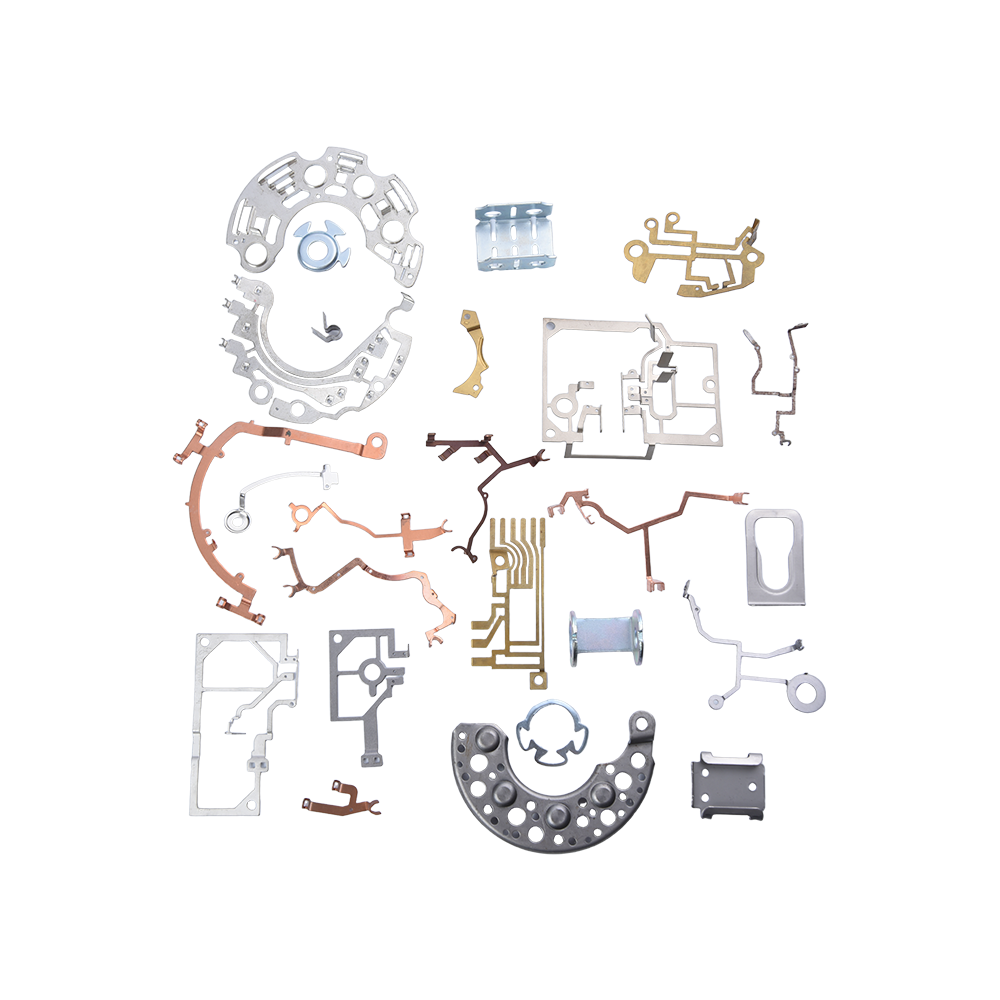
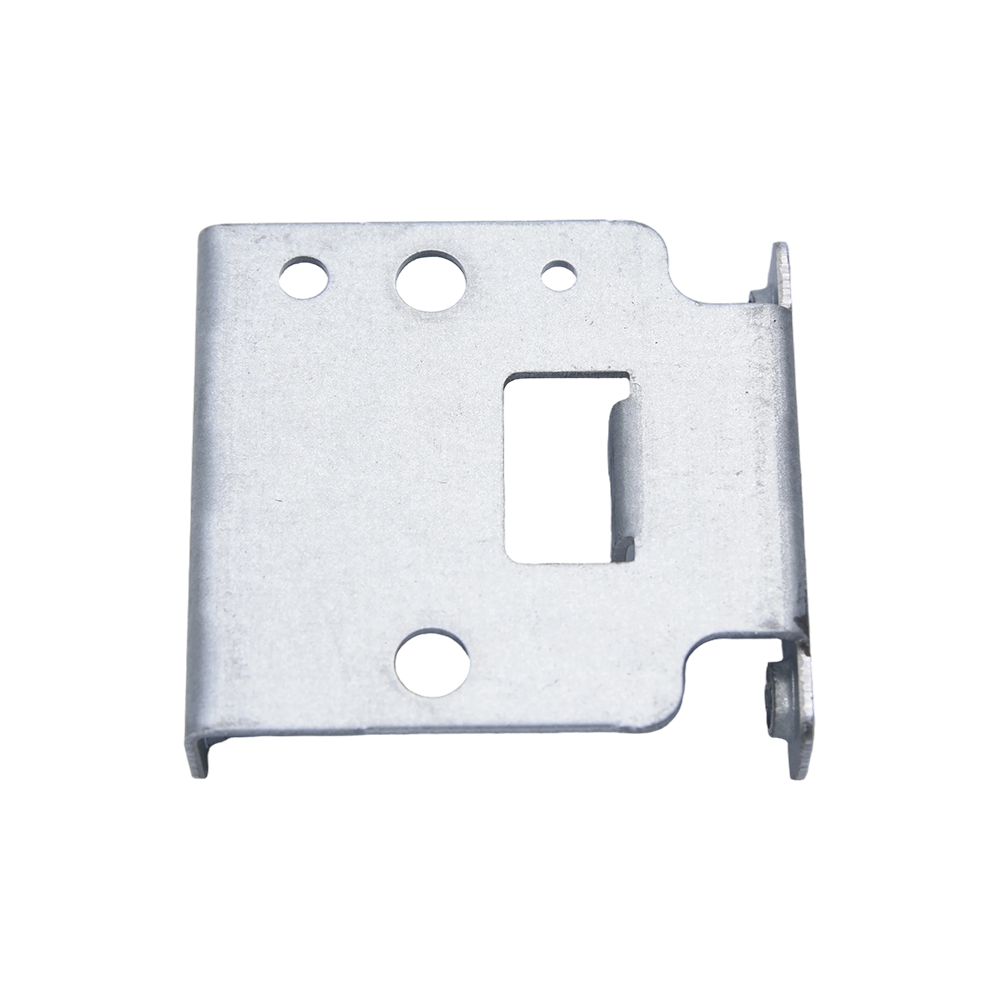


Every time you slide a tray into an air fryer, bolt a bracket beneath a dashboard, or snap a cover onto an electrical enclosure, you are ho...
READ MORE

News
Home / News / Industry News / How Do You Stamp Metal? A Clear Step-by-Step Guide to Industrial Metal Stamping
How Do You Stamp Metal? A Clear Step-by-Step Guide to Industrial Metal Stamping
2026-09-17
Metal stamping is the process of placing flat sheet metal—either in blank or coil form—into a stamping press, where a tool and die surface forms the metal into a desired shape. It is a high-speed, repeatable manufacturing method used to produce everything from automotive body panels to air fryer components, and understanding how it works can help OEMs, procurement professionals, and product designers make informed decisions about part sourcing. Here is the breakdown of the actual process, from material selection through final quality checks.
The Core Principle: Pressure + Die = Shape
The fundamental answer to "how do you stamp metal" is straightforward: a stamping press applies force through a shaped die onto a piece of sheet metal, causing the metal to plastically deform into the cavity of the die. The die set consists of two halves—a punch and a die cavity. The punch moves downward, pushing the metal into the cavity, and the result is a part that matches the die geometry. This operation can be performed in a single stroke or in a progressive series of stations for complex parts.
There are several common stamping operations, including blanking (cutting a flat shape), bending (forming angles), coining (impressing fine details), and deep drawing (forming deep, cup-like shapes). The choice of operation depends on the part geometry and material properties. Most industrial parts require a combination of these steps in a progressive die setup.
Step 1: Material Selection and Preparation
Stamping begins with the right metal. Commonly used materials include low-carbon steel, stainless steel, aluminum, brass, copper, and various alloys. The raw stock comes in coils (for high-volume automated feeding) or as pre-cut blanks (for lower-volume runs). Material thickness, tensile strength, and elongation properties directly affect die design and press tonnage. For example, deep drawing requires a material with good ductility, while high-strength steel used in automotive structural parts demands a stronger press and careful die clearance.
Once the material is chosen, it is typically cleaned and lubricated. Lubrication reduces friction between the metal and die, prevents galling, and helps extend tool life. The coil or blank is then fed into the press, often with automatic feeders that ensure precise positioning for each stroke.
Step 2: Die Design and Tooling Preparation
Before any metal is stamped, the die set must be designed and manufactured. This is the most critical and expensive part of the stamping process. Die design engineers analyze the part drawing, consider factors such as bend radii, draft angles, springback compensation, and material flow. For progressive dies, multiple stations are arranged in a single tool: the first station might pierce pilot holes, the next station blanks the outline, then a series of bending and forming stations follow, and finally the part is cut free from the carrier strip.
Tool steel hardness, surface finish, and coating (e.g., TiN or CrN) are selected to withstand the repeated impact and wear. A well-designed die can produce millions of parts within tolerance before requiring maintenance. For lower-volume production, simpler single-station dies or transfer dies may be used.
Companies like Yuyao Hongli Photoelectric Co., Ltd., with over 20 years of experience, maintain multiple stamping workshops equipped to handle both standard and custom die setups. Their product line includes precision-machined stamped parts, deep drawn containers, and bending parts, all produced using optimized tooling strategies. Learn more about different types of stamped parts and their material applications in our industry news section.
Step 3: The Stamping Process — From Blank to Formed Part
With the die installed and the material fed, the press operates at a predetermined speed and stroke length. Mechanical presses use a flywheel and clutch system to deliver high speed (up to hundreds of strokes per minute), while hydraulic presses provide variable force and are better for deep draws or heavy forming. The process typically follows this sequence:
- Blanking: The first cut separates the workpiece from the coil strip. The slug (waste) is ejected.
- Piercing: Holes or slots are created for assembly or alignment.
- Bending/Forming: The metal is bent along a straight line or formed into a curve. Bending parts, such as the
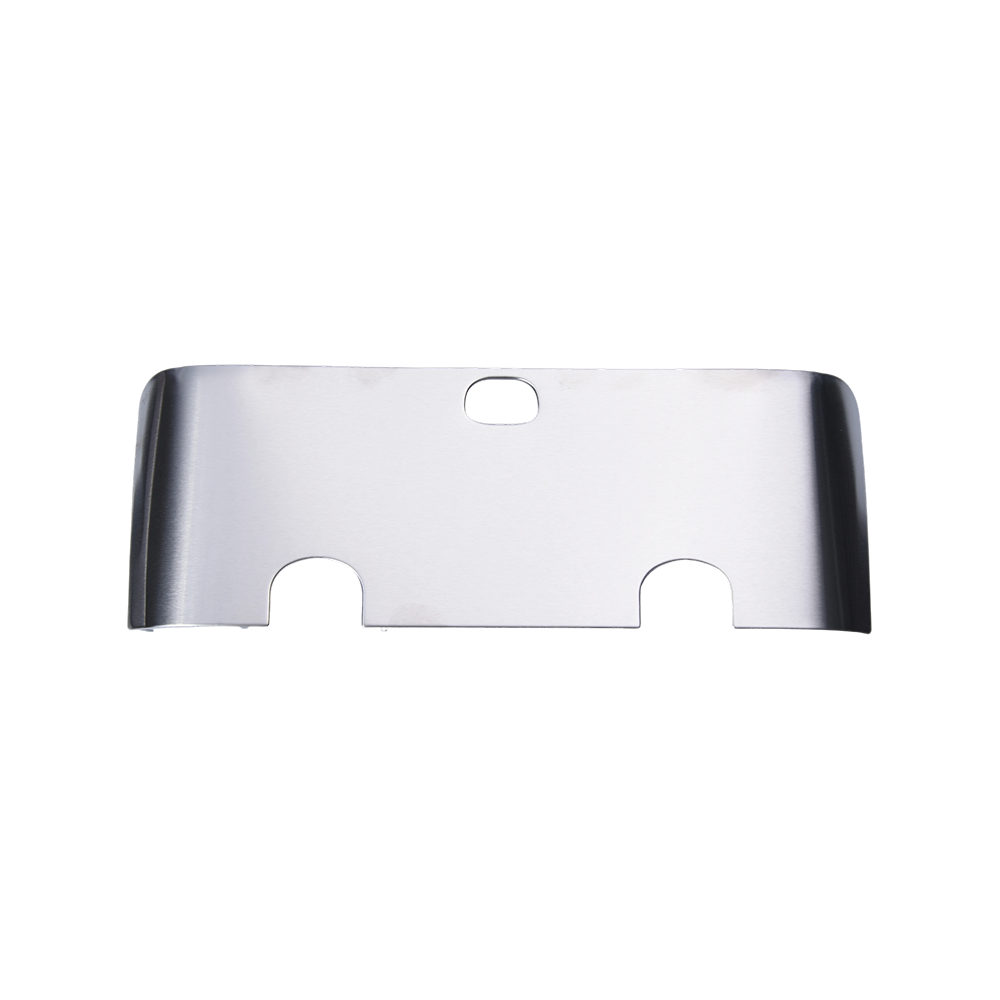
 Red Bent Parts with Fabric StrapsWith a corrosion-resistant coating and customizable geometry, these parts combine stamping with textile assembly. They are a practical example of a stamped product adapted for functional and aesthetic applications.View Product → with red fabric strap, demonstrate how bends can be combined with added attachments for finished assemblies.
- Deep Drawing: The metal is drawn into a cavity to create a seamless, cup-like geometry. This is common for containers, housings, and kitchen appliance components. For example, deep drawn containers with lids or cutouts are used in equipment shells and storage solutions.
- Trimming/Flanging: Excess material is trimmed, and edges are flanged for strength or assembly.
Each operation must be precisely timed, and the material must flow without tearing or wrinkling. Tear-offs, thinning, or springback are common defects that die designers mitigate through proper radii, draw beads, and pressure pad adjustments.
In the case of deep drawn parts, the depth-to-diameter ratio is a key parameter. Components with deep cavities typically require multiple drawing steps with intermediate annealing if the material work-hardens significantly. Our  Deep-Drawn Square Container with CutoutsThis container achieves a seamless, one-piece design through deep drawing, with customizable cutouts for ventilation or assembly. It exemplifies the material flow control needed for complex geometries.View Product → is an example of a deep drawn product that achieves a square shape with precise cutouts, a geometry that demands careful control of material flow.
Step 4: Secondary Operations — Welding, Assembly, Surface Finish
Not all stamped parts leave the press ready for use. Many require secondary operations:
- Welding or riveting to join multiple stamped components.
- Threading or tapping for fastener holes.
- Surface finishing such as plating, painting, or powder coating for corrosion resistance and aesthetics.
- Assembly of attached components like fabric straps, handles, or electronic parts.
For kitchen appliance accessories, stamped parts often undergo a cleaning and surface treatment to meet food-contact safety standards. The replaceable baking tray for air fryers, for instance, must have a non-stick coating and smooth edges to prevent scratches. Similarly, automotive stamped parts require strict dimensional tolerance and often receive additional rust-proofing treatments.
Yuyao Hongli's product portfolio covers many such secondary processes. Their 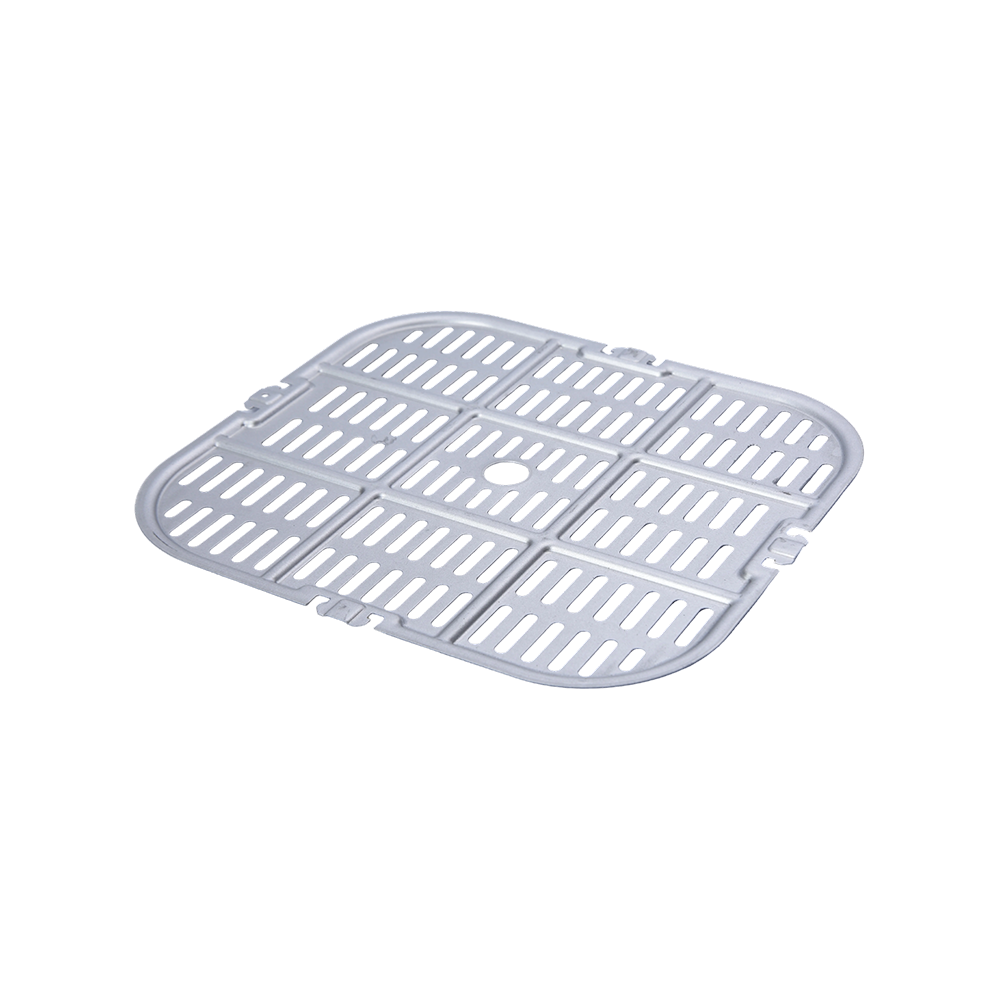 Air Fryer Baking TrayThis tray is a stamped part further processed into a functional kitchen accessory, featuring heat conductivity and perforations for air circulation. It illustrates how secondary operations complete a stamped component.View Product → is a clear example of a stamped part that is further processed to be a complete, functional component for the end consumer.
Step 5: Quality Control and Tolerances
The final step in how you stamp metal reliably is inspection. Dimensional measurements using CMM (coordinate measuring machines), optical comparators, or go/no-go gauges check critical features. Hardness tests verify material consistency. Visual inspections for surface defects, burrs, and cracks are also standard. For deep drawn parts, wall thickness distribution is measured to ensure no excessive thinning.
Statistical process control (SPC) is used in high-volume lines to monitor press force, material thickness, and die wear in real time. Tolerances for typical stamped parts range from ±0.1 mm to ±0.5 mm, depending on material and complexity. Precision-machined stamped parts can achieve even tighter tolerances through secondary machining operations.
To explore how deep drawn components compare with fabricated sheet metal parts in terms of strength and cost, read our detailed comparison: why might deep draw components outperform fabricated sheet metal parts.
Real-World Applications Across Industries
Metal stamping is not a one-size-fits-all process. The same core technology adapts to widely different industries:
- Automotive: Stamped sheet metal parts for automotive include body panels, brackets, structural reinforcements, and under-hood components. High-strength steel stamping is crucial for crash safety.
- Kitchen Appliances: Air fryer components, oven base plates, sink components, and utensil bases are all produced by stamping and deep drawing. The high volume and cost sensitivity of the appliance industry make stamping the preferred method.
- Electronics and Furniture: Stamped chassis parts, covers, mounting brackets, and thin miniature parts for electronic devices. The ability to produce intricate shapes rapidly makes stamping ideal for consumer electronics.
- Storage and Containers: Deep drawn containers with handles, lids, or cutouts for industrial storage, packaging, or component enclosures.
Each application places different demands on material, tolerances, and secondary finishes. Understanding the stamping process helps engineers select the right supplier and avoid common pitfalls such as underestimating tooling cost, ordering materials with insufficient formability, or ignoring springback effects in bent parts.
Conclusion: Stamping Is a Balance of Art and Engineering
At its core, stamping metal is simply pressing sheet metal into a die. But the real answer to "how do you stamp metal" involves a deep interplay of material science, tool design, press mechanics, and quality control. For OEMs and product developers, partnering with an experienced manufacturer that offers a diverse range of capabilities—from simple flat blanks to complex deep drawn containers and kitchen appliance accessories—can streamline the product development cycle and ensure consistent part quality. By selecting the right stamping partner, you gain access to decades of accumulated knowledge on what works and what doesn't, saving time and reducing risk in your supply chain.
Previous Post
How Does Metal Stamping Work? A Complete Guide to the Stamping Process
Next Post
Deep Drawn Parts Guide: Process, Materials, Applications, and Design Tips
News
-
-
If you have ever asked yourself, “How do I find a reputable metal fabricator?” you are not alone. As a manufacturer with more than 20 years...
READ MORE -
Steel is the backbone of modern manufacturing, yet it is never a single, uniform material. When engineers and buyers ask, "How can you clas...
READ MORE -
Sheet metal bending is one of the most fundamental processes in metal fabrication. It turns a flat sheet of steel, aluminum, or copper into...
READ MORE
Get Fresh Updates Via Email
We promise we will never disclose your email address, and you can opt out at any time.
-
Quick Links
Home About Us Products Service News Contact Us -
Product list
Deep-drawn parts Stamped parts Bending parts Kitchen appliance accessories Automotive stamping parts -
About Us
Factory Honour FAQ -
News
Company News Industry News -
Contact Us
Address: South side of Shunke Road, Yangming Science and Technology Industrial Park, Yuyao City, Zhejiang Province, China Tel: +86-13905842349/+86-13738485724 Email: hongli@hl-stamping.com
Copyright © Yuyao Hongli Optoelectronics Co., Ltd. All Rights Reserved.
Custom Precision-Sheet/Sheet Metal Stamping Manufacturers
