


 English
 русский
 Español
 عربى
عربى
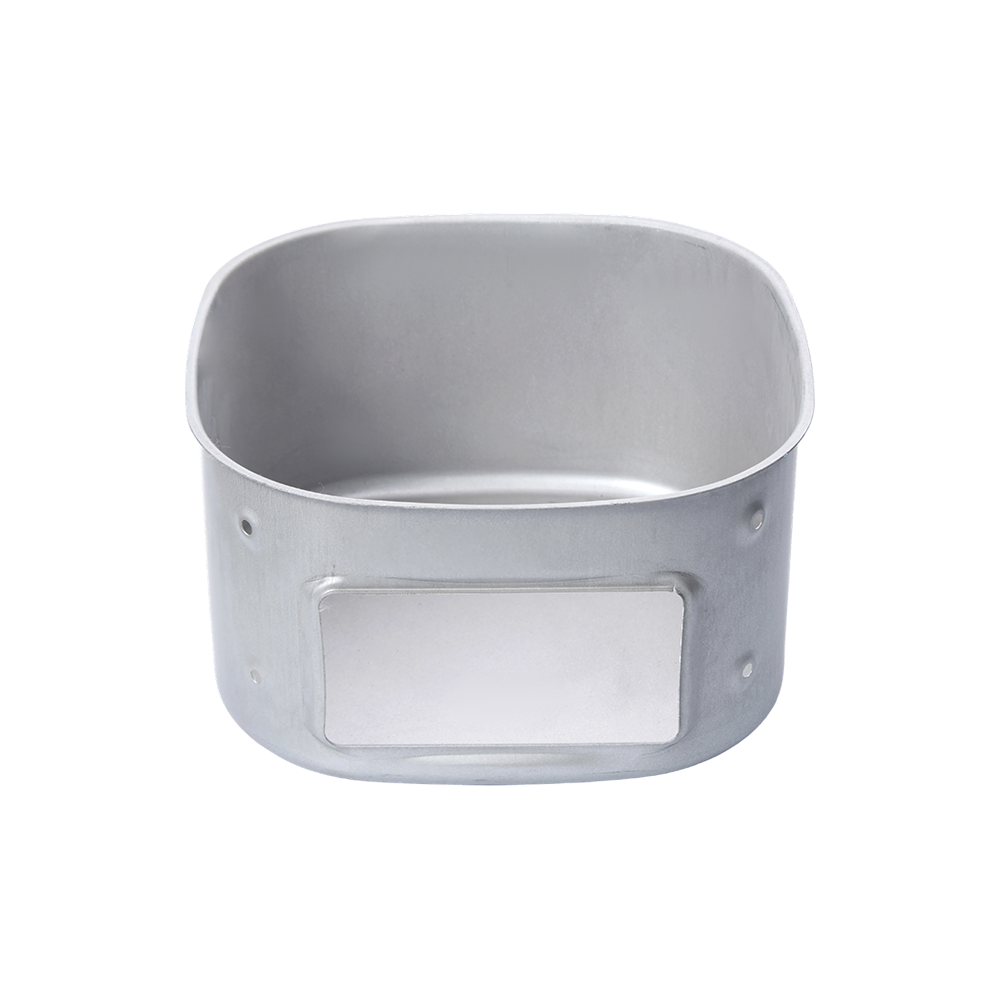
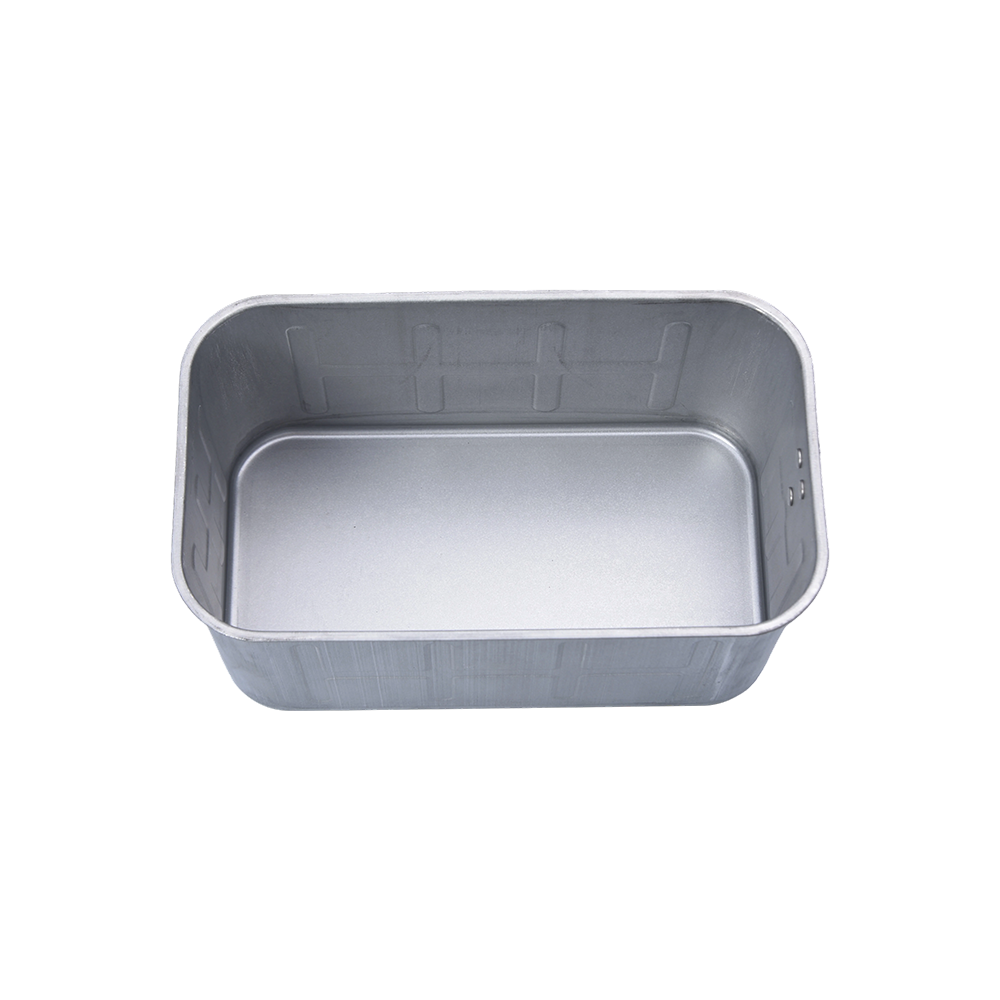
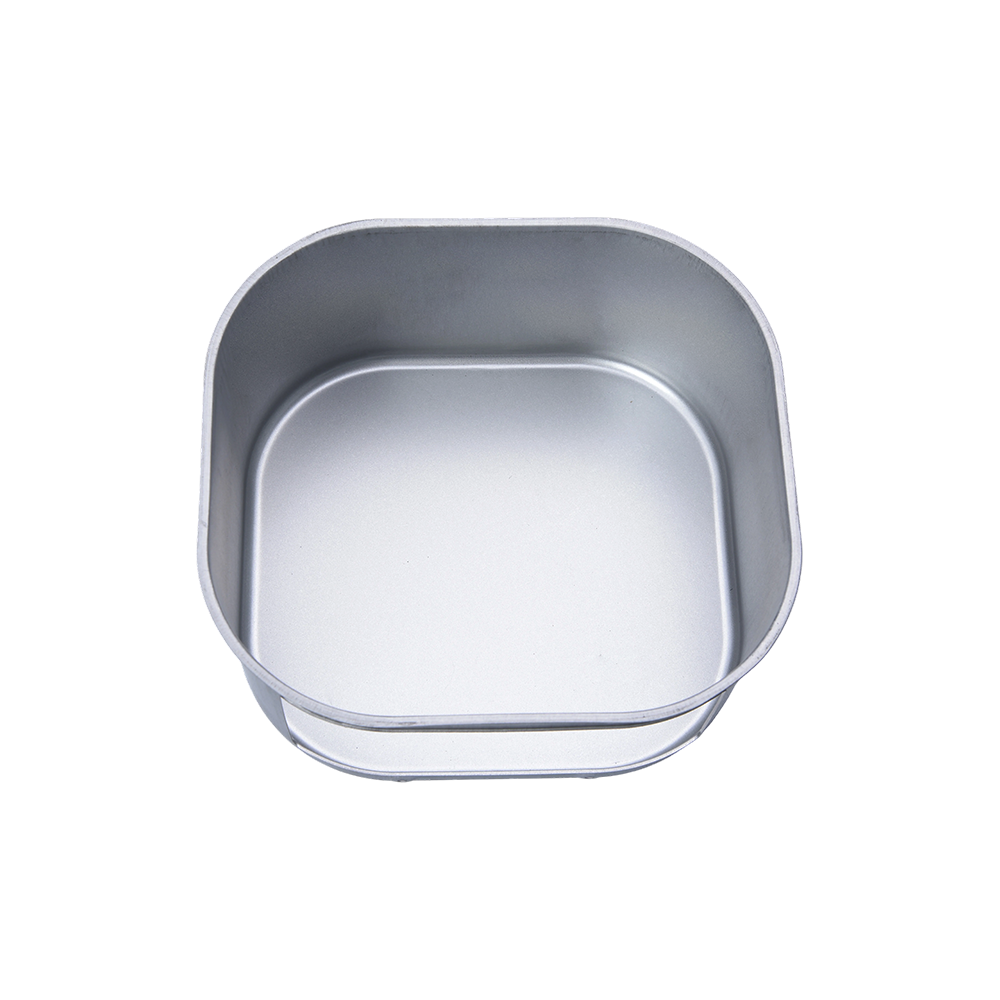
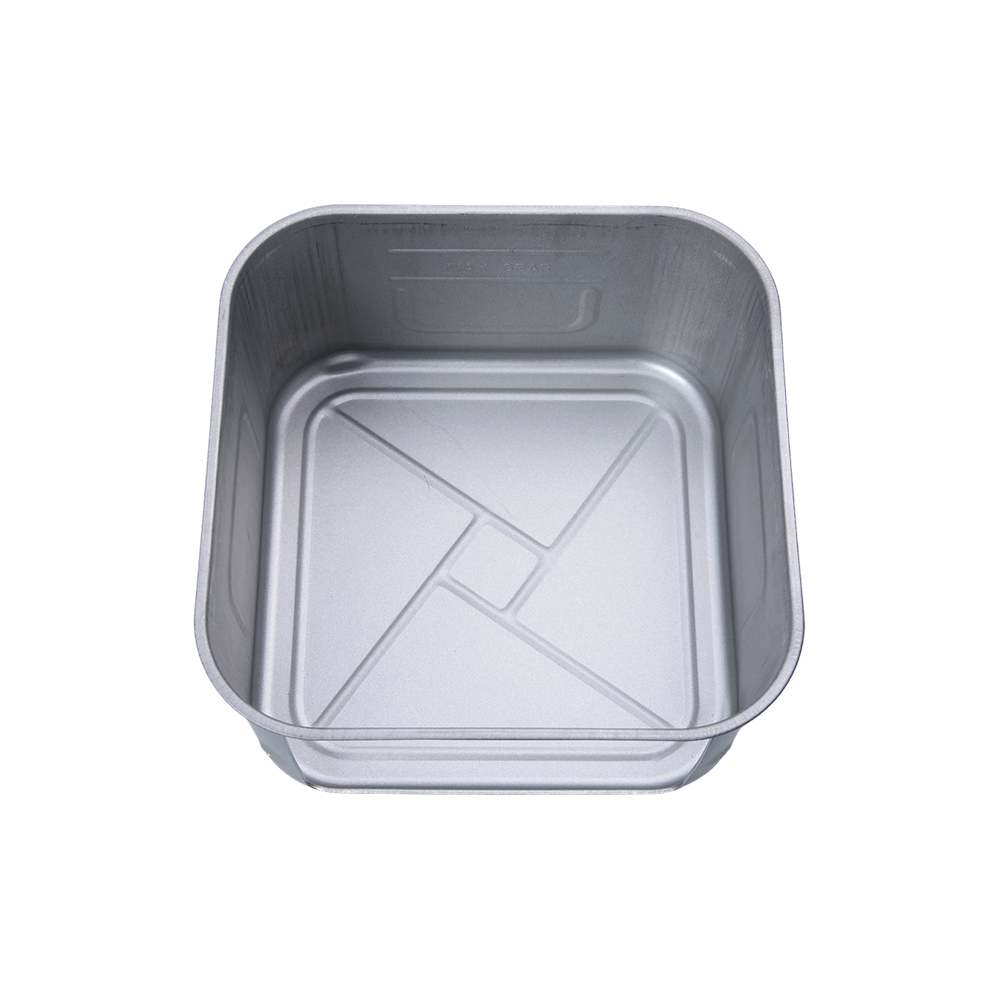
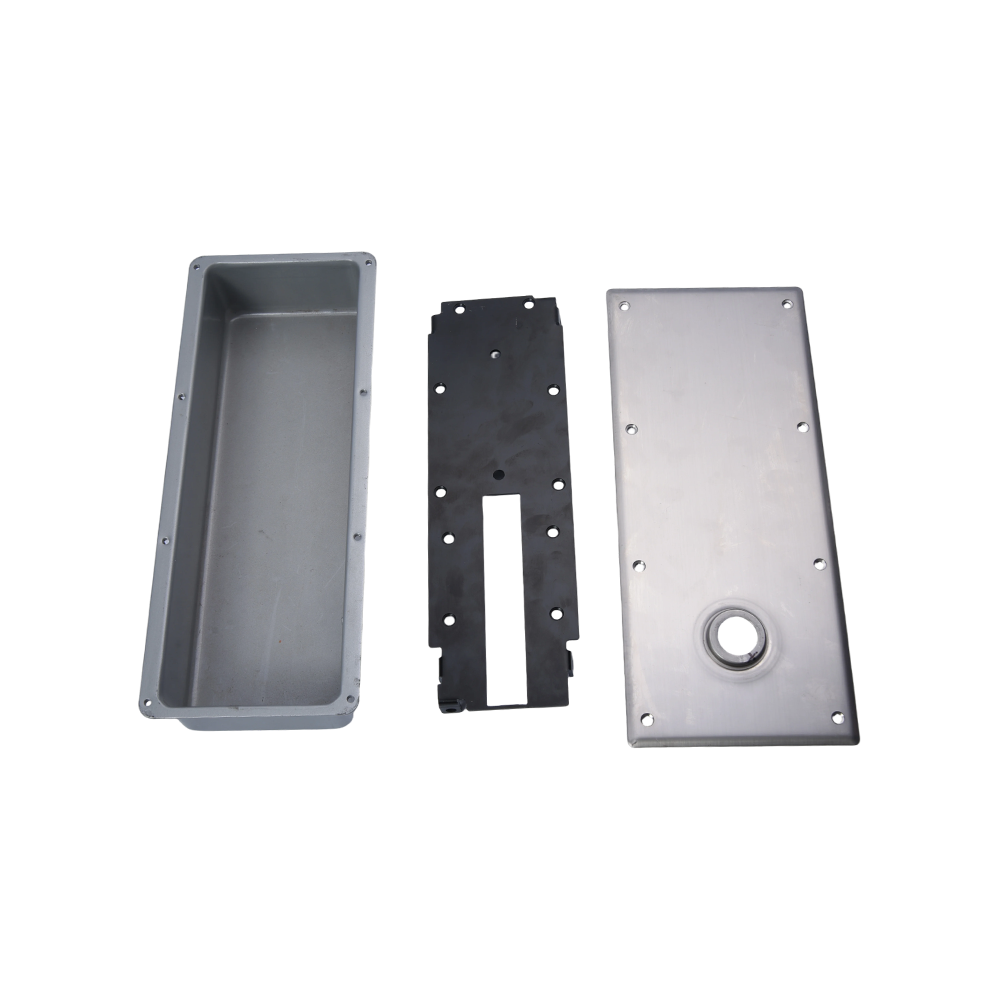
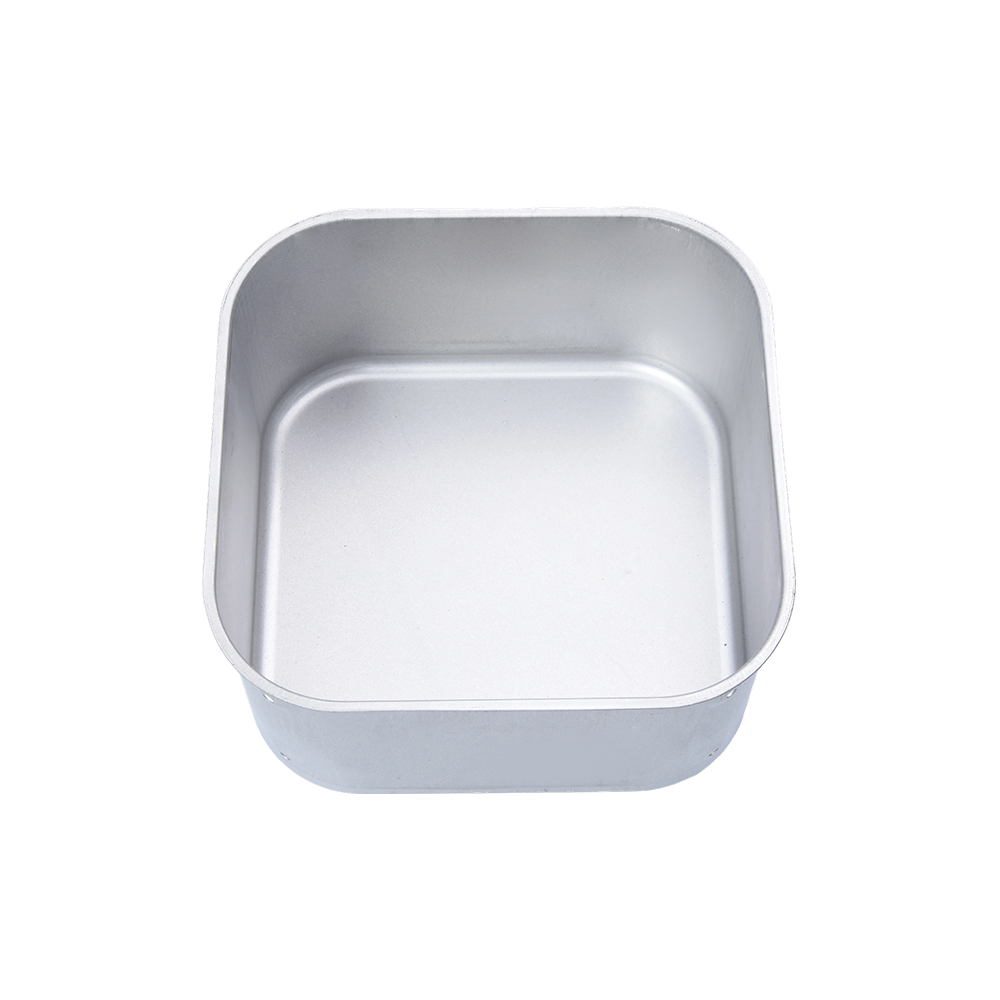
Every time you slide a tray into an air fryer, bolt a bracket beneath a dashboard, or snap a cover onto an electrical enclosure, you are ho...
READ MORE

News
Home / News / Industry News / Deep Drawing vs Stamping: Key Differences, Costs, and How to Choose the Right Process
Deep Drawing vs Stamping: Key Differences, Costs, and How to Choose the Right Process
2026-09-04
A flat mounting plate with three punched holes and a rectangular container with a fitted lid can come off presses in the same workshop, yet the dies behind them are engineered in completely different ways. The plate is sheared and pierced in a stroke or two; the container must be gripped, held, and pulled into a cavity so that flat sheet becomes a box with walls. That contrast is the practical heart of the deep drawing vs stamping decision, and it shapes tooling budgets, piece prices, and how the finished part performs in service.
The short answer is this: deep drawing is the right process when a part must be a seamless hollow shell whose depth is significant relative to its width, while conventional stamping is the faster and cheaper route for flat, shallow, or perimeter-complex parts. Deep drawing is formally a branch of stamping, since both form sheet metal between a punch and a die, but the two diverge in die design, cost behavior, and the geometry each can reach.
Where Deep Drawing Fits Inside the Stamping Family
Stamping is the umbrella term for press operations that cut and form sheet metal: blanking, piercing, bending, coining, and shallow forming. A stamped part can be as simple as a washer or as involved as a multi-feature bracket produced in a progressive die, where each station adds holes, forms, or bends in one continuous stroke sequence. Flatness, edge quality, and repeatability are the qualities buyers usually judge first.
Deep drawing changes the physics of the operation. Instead of mainly cutting or bending, the press pulls the blank into a die cavity while a blank holder presses the flange to control metal flow. The process is generally called deep drawing when the depth of the part exceeds its diameter, or its shortest width for rectangular shells. Greater depth is reached by redrawing the part through a series of dies, each pass stretching the walls further; for many steels and aluminum alloys, a first-pass draw ratio of roughly 2:1 is a practical ceiling before redraw stages become necessary.
For a step-by-step view of blanking, drawing, redrawing, and trimming, this walkthrough of the deep drawing process shows how each station builds on the last.
The Differences That Drive Cost and Performance
Most sourcing debates between the two processes come down to a small set of factors. The table below summarizes where each process holds the advantage.
| Factor | Conventional stamping | Deep drawing |
|---|---|---|
| Part geometry | Flat, shallow, or bent shapes with complex outer profiles | Hollow closed shapes: containers, cans, enclosures, shells |
| Depth capability | Limited to shallow forms and bends | Depth can exceed the blank's diameter through redrawing |
| Tooling investment | Lower for simple parts; single or progressive dies | Higher, due to draw dies, blank holders, and redraw stations |
| Piece price at volume | Very low for flat parts, thanks to fast stroke rates | Competitive at volume, but more press strokes per part |
| Structural result | 3D shapes usually need added bending or welding | One-piece seamless walls, work-hardened during forming |
| Common watch-outs | Springback, burrs, edge quality | Wrinkling, tearing, earing on the rim |
Two rows deserve extra attention. Tooling cost decides whether a project is viable at low volumes, and structural result decides whether the part survives its working environment. A box built from stamped flats and welds can meet a drawing on paper, but a drawn shell meets it without seams, which matters for anything that holds liquid, traps heat, or takes constant vibration.
Tooling, Budget, and Volume: Where Each Process Pays Off
Deep drawing economics
Draw tooling costs more up front because the die must hold a precise punch-to-die clearance, the blank holder must be tuned to the material's flow behavior, and deeper parts add redraw stations. That investment pays back when the geometry genuinely needs drawing and volumes are steady: a drawn container skips seam welding, leak checks, and much of the straightening that welded alternatives require. Once the die is amortized, unit cost falls quickly and stays low across long production runs.
Stamping economics
Conventional stamping keeps the entry cost down, especially on flat work. A component with a few holes and simple bends needs only blank-and-pierce tooling, and a progressive die can fold in coining or minor forms without a separate setup. Stroke rates are high, so piece prices drop quickly as annual volume climbs.
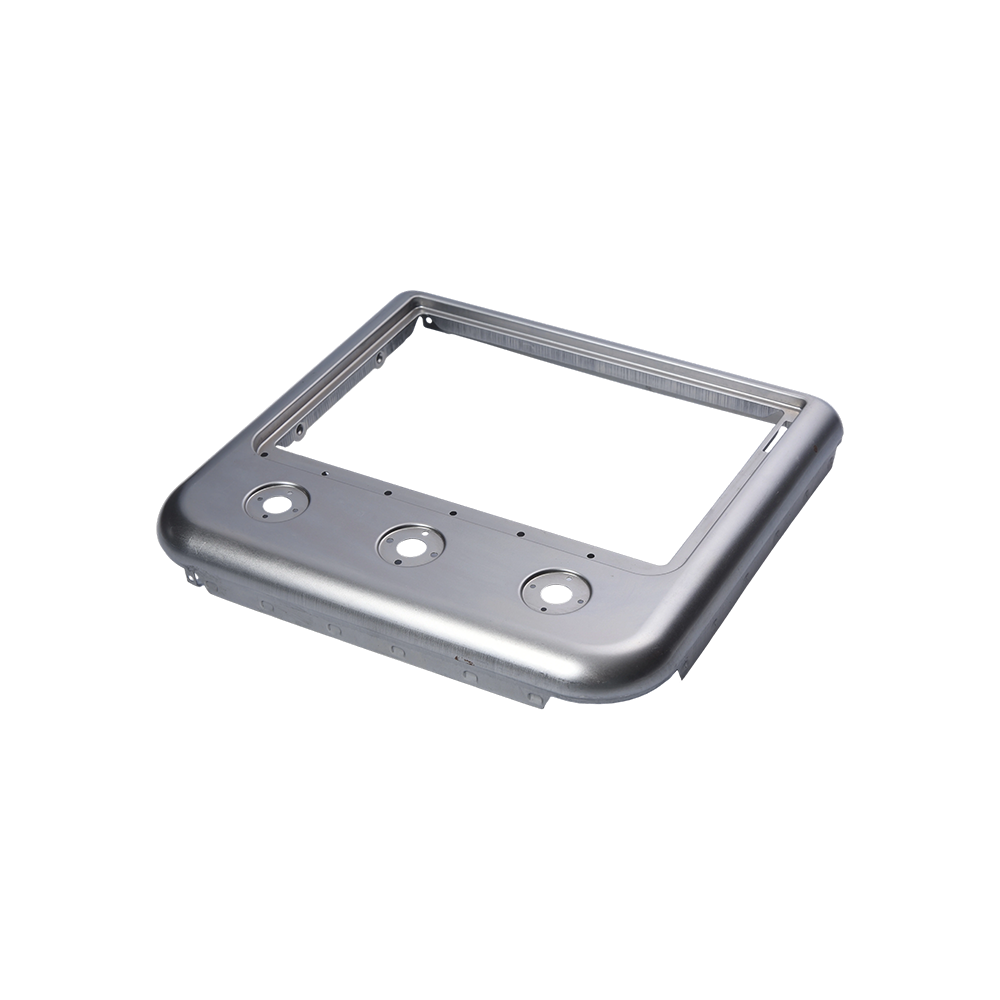 Steel Stamped Parts with Three Small HolesThese square steel stampings feature three small holes with tight tolerances around ±0.1 mm, offering a low-cost example of blank-and-pierce stamping for fastening and mounting at volume.View Product →
A practical rule follows from this: if a part can be made by cutting and bending flat sheet without closed corners, stamping usually wins on total cost. If it needs closed corners, uniform walls, and depth, drawing avoids seams entirely and often undercuts a welded equivalent.
Strength, Seams, and Surface Quality
Drawn parts gain strength from the process itself. As metal flows into the cavity, it is stretched and compressed, which work-hardens the walls beyond the properties of the original sheet. Because the shell is formed in one piece, there is no weld seam to crack, leak, or corrode. This is a main reason deep drawn components are often more durable in service than the same shape assembled from fabricated and welded sheet.
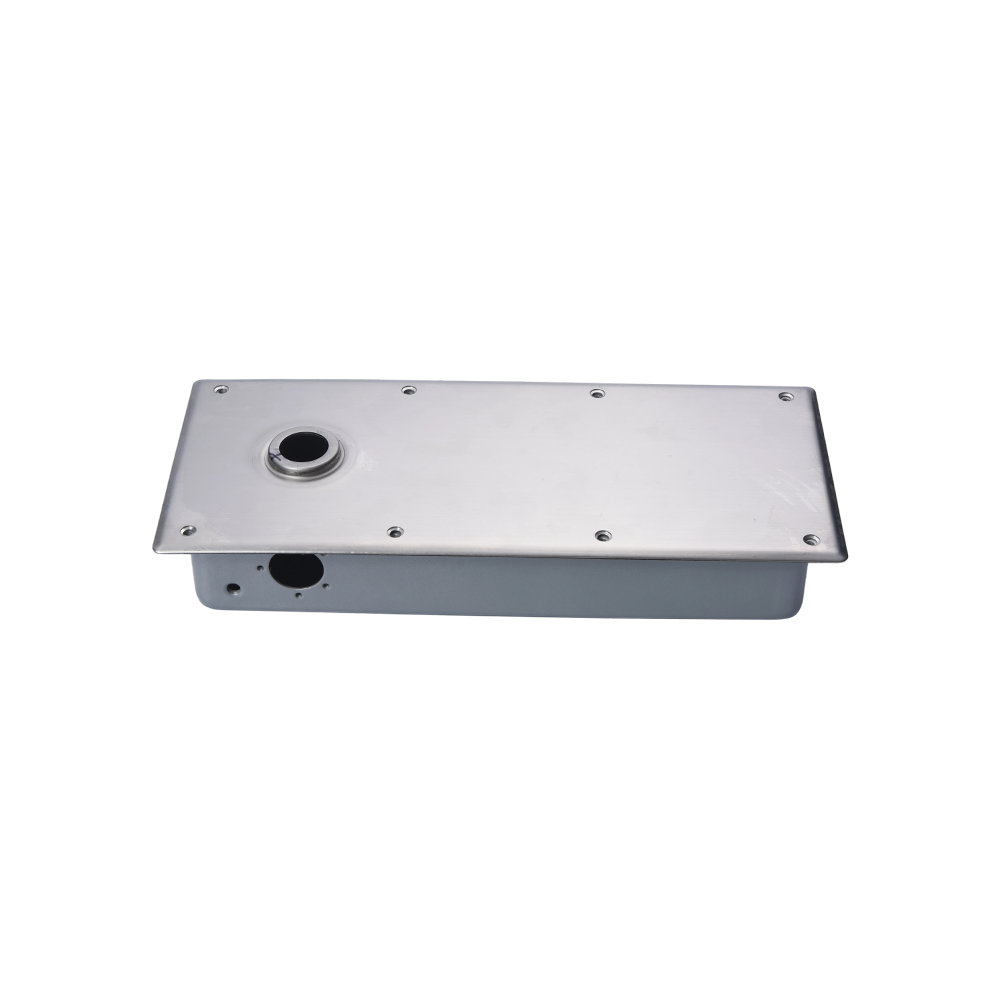 Deep-Drawn Rectangular Container with LidA seamless one-piece drawn container with a tightly fitting lid, showing how deep drawing avoids weld seams while providing leak resistance, durability, and easy cleaning for demanding applications.View Product →
Stamped parts take a different path to stiffness. Gauge, material grade, and bends do the structural work, and springback must be compensated in the die so finished angles land inside tolerance. For brackets, covers, and chassis hardware, that approach delivers tight repeatability at low cost.
Deep drawing has failure modes of its own: wrinkling when blank-holder pressure is too low, tearing when the draw ratio is too aggressive for the material, and earing caused by the sheet's rolling direction. Lubrication, generous corner radii, and, on some alloys, intermediate annealing keep these risks in check. Controlling them is where an experienced press shop earns its keep.
Matching the Process to the Application
Kitchen appliances show both processes inside a single product. An air fryer's inner container is a classic deep drawn shell: closed corners, smooth food-contact walls, depth greater than its width. The tray or base plate beneath it is stamped, with perforations punched, edges formed, and a flat profile preserved for easy cleaning and a precise fit.
Automotive work follows the same split. Brackets, reinforcements, and panel-type sheet metal parts are stamped in high volume with progressive or transfer tooling, while shells and housings with real depth move to drawing. Both routes depend on consistent incoming material and disciplined die maintenance.
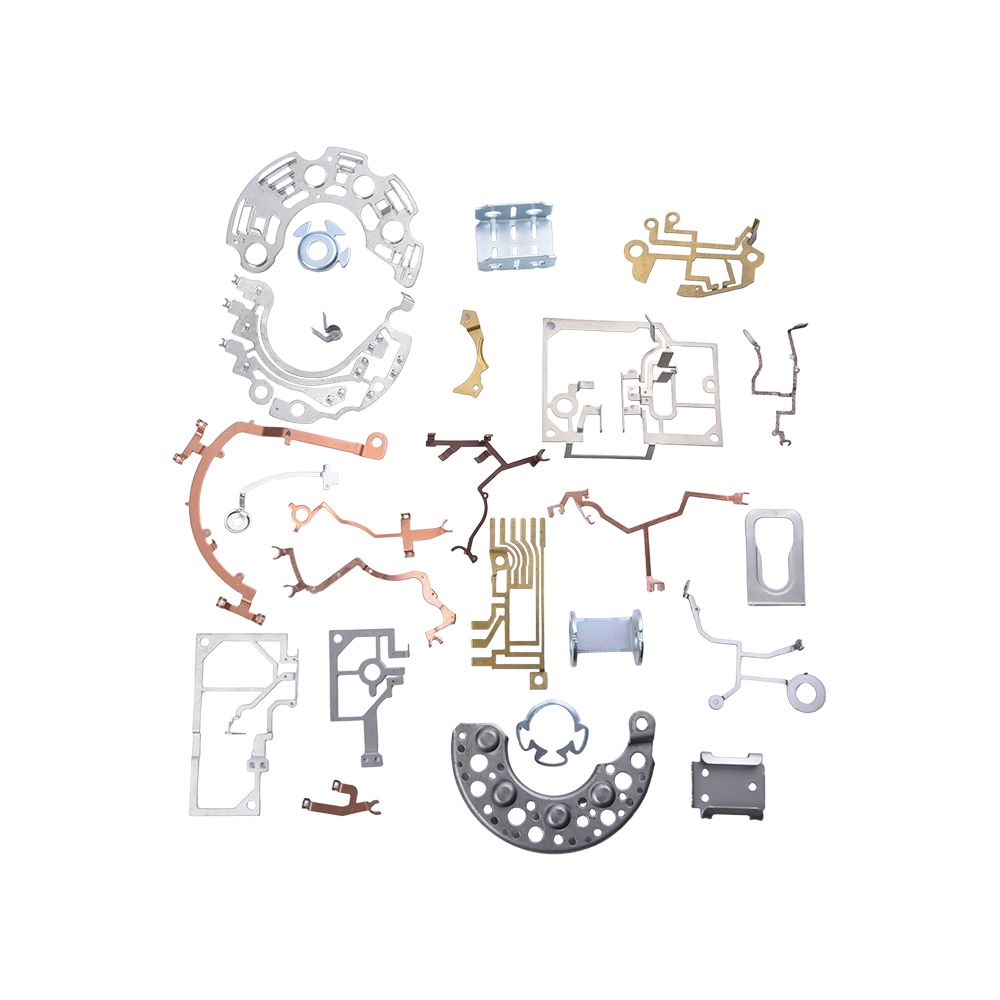 Stamped Sheet Metal Parts for AutomotivePrecision-stamped automotive sheet metal parts with corrosion resistance and customizable finishes, illustrating how stamping delivers repeatable, cost-effective brackets, covers, and hardware in high volume.View Product →
The same logic extends to electronics enclosures, small appliance bases, and hardware where miniature or ultra-thin stamped features sit alongside drawn sleeves and cups. When one supplier runs both processes under one roof, part families can be split sensibly instead of being forced through whichever process that supplier happens to own.
A Practical Checklist Before You Commit
Before locking in a process, run the part through these questions:
- Measure the depth. If it approaches or exceeds the part's diameter or shortest width, plan for drawing and likely redrawing stages.
- Check the corners. Closed, rounded corners point to drawing; open profiles and flat features point to stamping.
- Count the secondary operations. Welding, sealing, and straightening add cost that a drawn one-piece shell can eliminate.
- Size the volume. Stamping amortizes fastest on high-volume flat work; drawing needs steady volumes to justify heavier tooling.
- Review the material. Drawing-quality steels, 300- and 400-series stainless, aluminum, copper, and brass all draw well, each with different wrinkle and tear behavior.
- Ask for both quotes. A shop that runs both processes can show where the break-even point sits for your specific drawing.
Neither process is universally better; each is better at a different job. Stamping delivers flat and shallow parts at the lowest piece price, while deep drawing delivers seamless, work-hardened shells that no welded assembly can match. When a single manufacturer runs stamped, bent, and deep drawn component lines side by side, buyers get honest comparisons instead of a default answer: drawings can be quoted both ways, tooling amortization can be modeled, and each part in an assembly can be routed to the process that fits its volume, geometry, and budget.
Previous Post
Deep Drawn Parts Guide: Process, Materials, Applications, and Design Tips
Next Post
Why might deep draw components outperform fabricated sheet metal parts in leak-proof applications?
News
-
-
What Is Deep Drawing Process and What Are Deep-Drawn Parts The deep drawing process is a sheet metal forming operation in which a flat meta...
READ MORE -
When you need a metal component whose depth clearly exceeds its width, such as a one-piece battery enclosure, an air-fryer inner container,...
READ MORE -
Metal stamping is the process of placing flat sheet metal—either in blank or coil form—into a stamping press, where a tool and die surface ...
READ MORE
Get Fresh Updates Via Email
We promise we will never disclose your email address, and you can opt out at any time.
-
Quick Links
Home About Us Products Service News Contact Us -
Product list
Deep-drawn parts Stamped parts Bending parts Kitchen appliance accessories Automotive stamping parts -
About Us
Factory Honour FAQ -
News
Company News Industry News -
Contact Us
Address: South side of Shunke Road, Yangming Science and Technology Industrial Park, Yuyao City, Zhejiang Province, China Tel: +86-13905842349/+86-13738485724 Email: hongli@hl-stamping.com
Copyright © Yuyao Hongli Optoelectronics Co., Ltd. All Rights Reserved.
Custom Precision-Sheet/Sheet Metal Stamping Manufacturers
