


 English
 русский
 Español
 عربى
عربى
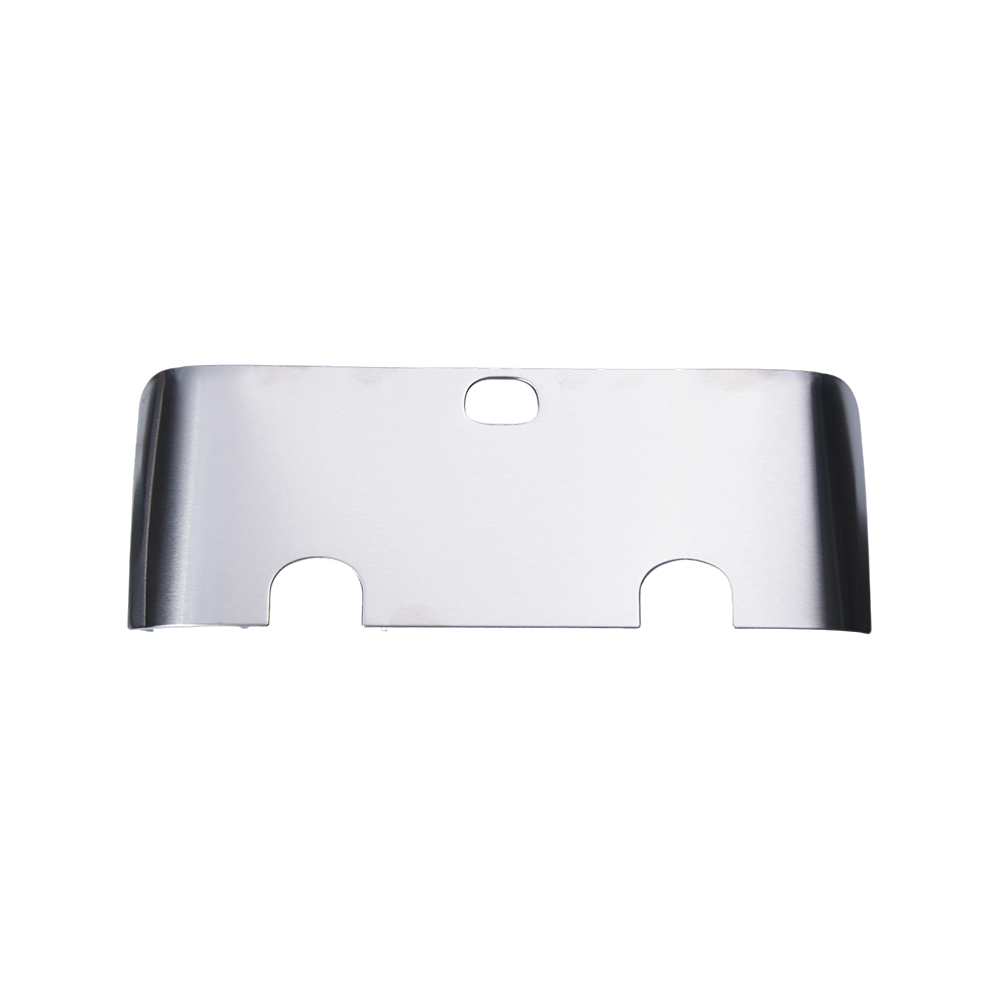
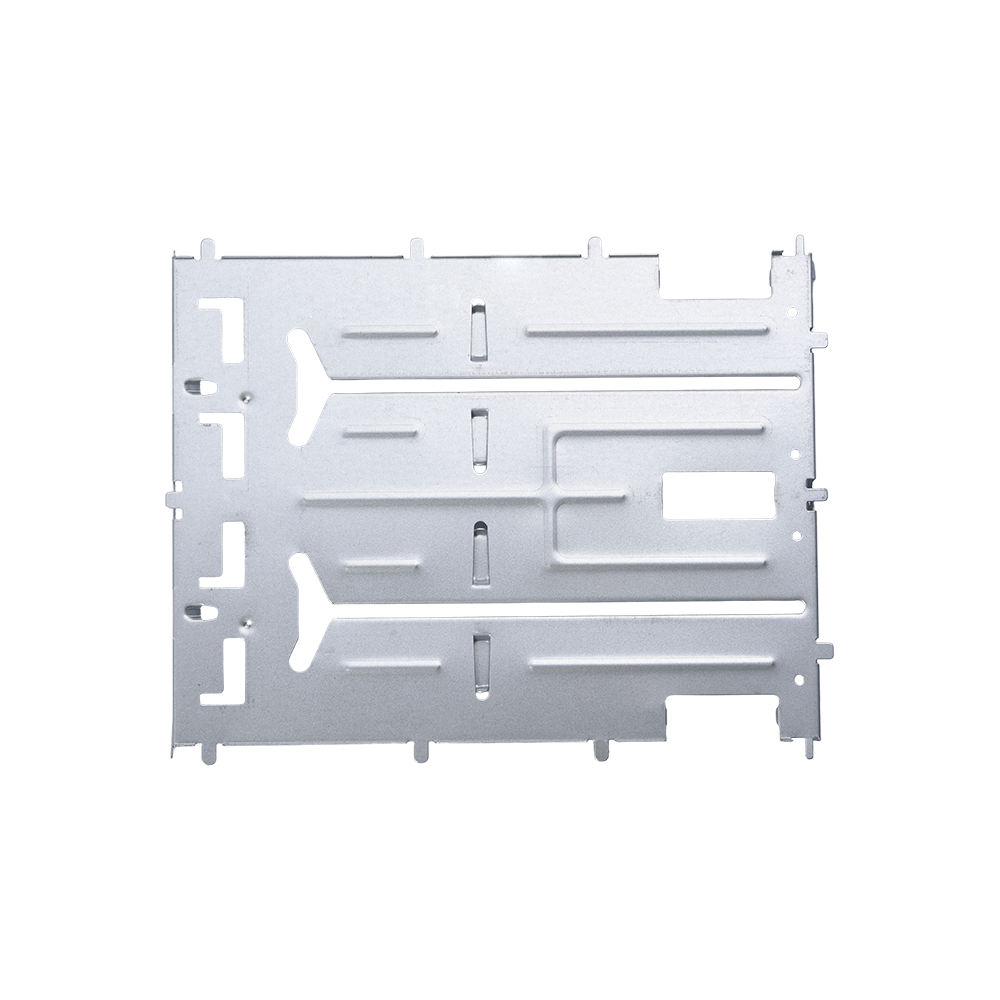
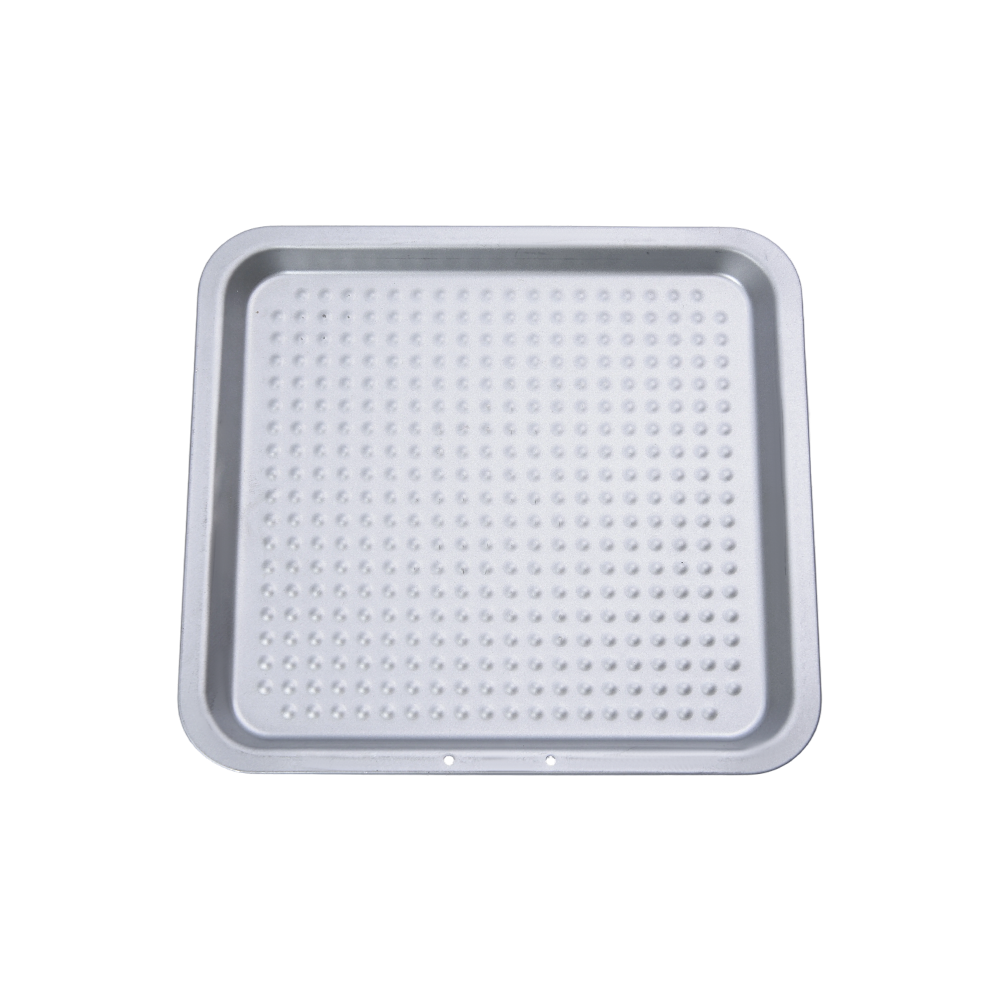
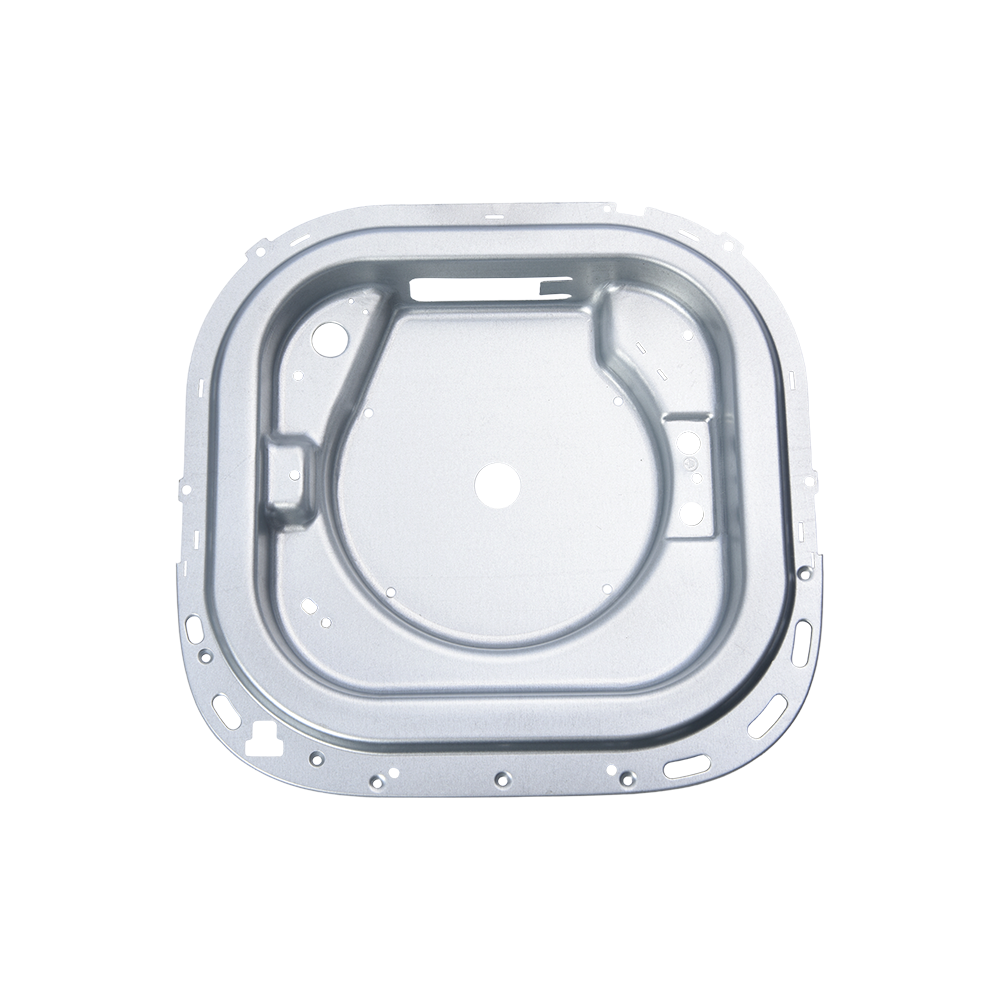
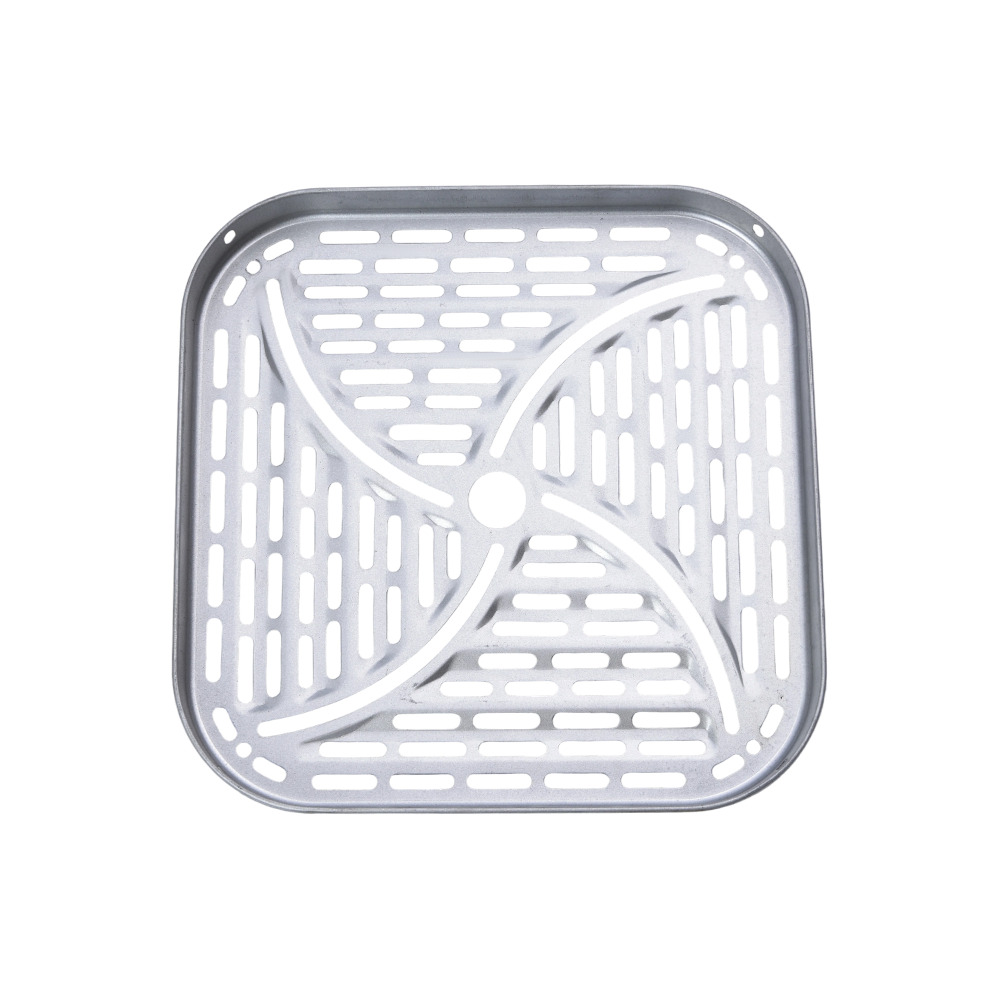
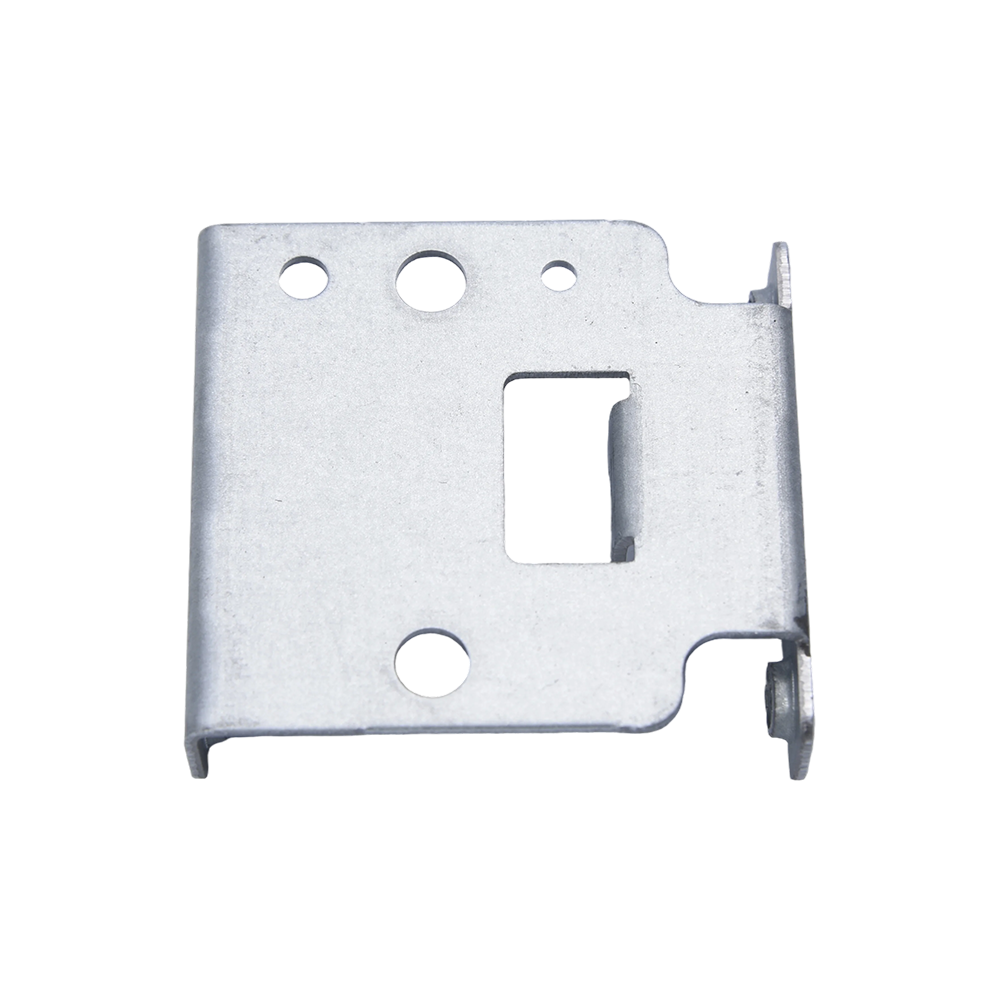
When you need a metal component whose depth clearly exceeds its width, such as a one-piece battery enclosure, an air-fryer inner container,...
READ MORE

News
What Are Stamped Parts? Types, Materials, and Applications Explained
2026-08-19
What Are Stamped Parts?
Stamped parts are metal components produced by pressing flat sheet metal between a die and a punch to cut, bend, or form it into a specific shape. The process, known as metal stamping, uses mechanical or hydraulic presses to apply force in a single stroke or a series of coordinated strokes, transforming coils or sheets of metal into finished or near-finished components at high speed and with tight repeatability.
Stamped parts range from simple flat brackets to complex three-dimensional enclosures with multiple bends, holes, and embossed features. Because stamping can produce thousands of identical parts per hour with tolerances as tight as ±0.05 mm, it is one of the most widely used manufacturing processes for medium- to high-volume metal component production, particularly in automotive, electronics, appliance, and industrial equipment manufacturing.
Types of Stamped Parts
Stamped parts are generally classified by the forming operation used to create them. Understanding these categories helps engineers choose the right process for a given design.
Blanked Parts
Blanking cuts a flat shape out of a metal sheet using a punch and die. The removed piece, called the blank, becomes the finished part or a workpiece for further forming. This is typically the first step in producing washers, gaskets, and flat brackets.
Bent and Formed Parts
Bending presses a blank around a die radius to create angles, channels, or U-shapes. This category includes brackets, clips, and structural supports that require one or more folded edges.
Deep Drawn Parts
Deep drawing pulls a flat blank into a die cavity to form a hollow, cup-like shape with a depth greater than its diameter. Deep drawn stamped parts include battery enclosures, sinks, and automotive fuel tanks, where seamless walls are required for strength or sealing.
Progressive Die Stamped Parts
Progressive stamping feeds a metal strip through a series of stations in a single die set, with each station performing a different operation—piercing, bending, forming—until a finished part is separated at the final station. This method is favored for high-volume production, often exceeding 1,000 parts per hour.
| Type | Process | Typical Application |
|---|---|---|
| Blanked | Cutting flat shapes | Washers, gaskets, flat plates |
| Bent/Formed | Folding around a radius | Brackets, clips, supports |
| Deep Drawn | Pulling into a cavity | Enclosures, cans, fuel tanks |
| Progressive Die | Multi-station sequence | Connectors, terminals, small hardware |
Common Materials Used for Stamped Parts
Material choice directly affects a stamped part's strength, weight, corrosion resistance, and cost. Below are the materials most frequently specified in stamping projects.
Carbon Steel
Low-carbon steel is the most economical stamping material, offering good formability and strength. It is widely used for automotive body panels, structural brackets, and appliance housings.
Stainless Steel
Grades such as 304 and 316 provide corrosion and heat resistance, making stainless steel the standard choice for medical devices, food-processing equipment, and outdoor hardware.
Aluminum
Aluminum stamped parts are roughly one-third the weight of steel equivalents while retaining good strength-to-weight performance, which is why aluminum is increasingly used in electric vehicle battery trays and aerospace brackets.
Copper and Brass
Copper alloys offer excellent electrical conductivity and are the material of choice for connectors, terminals, and busbars in electronics and power distribution systems.
| Material | Key Property | Best For |
|---|---|---|
| Carbon Steel | Low cost, strong | Automotive, structural parts |
| Stainless Steel | Corrosion resistant | Medical, food-grade equipment |
| Aluminum | Lightweight | EV batteries, aerospace |
| Copper/Brass | Conductive | Connectors, electrical terminals |
How Stamped Parts Are Manufactured
Producing a stamped part typically follows a structured sequence from design through final inspection. Each stage affects part quality, tooling cost, and production speed.
- Part design and DFM (Design for Manufacturability) review to confirm feasibility of bend radii, hole placement, and material grain direction.
- Die design and tooling fabrication, which can take several weeks depending on part complexity.
- Material selection and coil or sheet preparation, including surface cleaning or pre-coating.
- Stamping operation—blanking, piercing, bending, or drawing—performed on a mechanical or hydraulic press.
- Secondary operations such as tapping, welding, deburring, or plating.
- Quality inspection using coordinate measuring machines (CMM) or optical comparators to verify tolerances.
Press tonnage for stamping equipment typically ranges from 20 tons for small precision parts to over 1,000 tons for large automotive body panels. Progressive die systems can run continuously, producing tens of thousands of identical parts per shift with minimal operator intervention, which is a major reason stamping remains more cost-effective than CNC machining for high-volume metal components.
Applications of Stamped Parts by Industry
Stamped parts appear in nearly every manufactured product that contains metal components. The following industries rely on stamping as a core production method.
Automotive
A typical passenger vehicle contains hundreds of stamped components, including body panels, chassis brackets, seat frames, and battery enclosures for electric vehicles. Automotive stamping demands high dimensional accuracy because parts must fit together across an assembly line without manual adjustment.
Electronics
Connectors, shielding cans, heat sinks, and battery contacts are commonly stamped from thin copper or steel strip. Progressive die stamping is especially suited to electronics because it can hold tolerances under ±0.02 mm on small, high-volume parts.
Appliances
Refrigerator panels, washing machine drums, and oven brackets are frequently produced from stamped steel due to the material's durability and paint compatibility.
Medical Devices
Surgical instrument components, device housings, and implantable brackets often use stainless steel stamping to meet biocompatibility and sterilization requirements.
Industrial Equipment
Mounting brackets, enclosures, and machine guards are commonly stamped for their combination of strength and low unit cost at production volumes above a few thousand pieces.
- Automotive: body panels, brackets, battery trays
- Electronics: connectors, shielding, contacts
- Appliances: panels, drums, housings
- Medical: instrument parts, device enclosures
- Industrial: brackets, guards, mounting hardware
Advantages of Using Stamped Parts
Compared with machining, casting, or 3D printing, stamping offers several advantages for the right production volumes.
- Low per-unit cost at high volumes due to fast cycle times and minimal material waste.
- Consistent quality across large production runs, since each part is formed by the same die.
- Ability to combine multiple features—holes, bends, embossments—into a single operation via progressive dies.
- Compatibility with a wide range of metals and thicknesses, from 0.1 mm foil to several millimeters of plate.
- Minimal secondary finishing required when tooling is properly designed.
The main tradeoff is upfront tooling cost. A progressive die can cost anywhere from a few thousand dollars for a simple part to well over $100,000 for a complex automotive tool, which is why stamping is most economical for production runs above roughly 5,000–10,000 units.
Choosing the Right Stamped Parts Manufacturer
Selecting a stamping supplier goes beyond comparing unit price. Buyers should evaluate a manufacturer's tooling capability, quality certifications, and experience with the specific material and tolerance requirements of their part.
Look for suppliers holding IATF 16949 certification for automotive work or ISO 13485 for medical parts, as these standards indicate documented process controls. It is also worth requesting first-article inspection reports and asking whether the supplier can support in-house die design, since this shortens lead times and reduces communication errors between design and production.
Finally, confirm the supplier's press capacity matches your part size and volume needs—an undersized press can limit part complexity, while an oversized press for a small part may increase quoted costs unnecessarily.
Previous Post
Deep-Drawn Parts and What Is Deep Drawing Process
Next Post
No next article
News
-
-
What Is Deep Drawing Process and What Are Deep-Drawn Parts The deep drawing process is a sheet metal forming operation in which a flat meta...
READ MORE -
Sheet metal is one of those materials that quietly holds everyday life together. The tray inside your air fryer, the bracket behind a car b...
READ MORE -
A flat mounting plate with three punched holes and a rectangular container with a fitted lid can come off presses in the same workshop, yet...
READ MORE
Get Fresh Updates Via Email
We promise we will never disclose your email address, and you can opt out at any time.
-
Quick Links
Home About Us Products Service News Contact Us -
Product list
Deep-drawn parts Stamped parts Bending parts Kitchen appliance accessories Automotive stamping parts -
About Us
Factory Honour FAQ -
News
Company News Industry News -
Contact Us
Address: South side of Shunke Road, Yangming Science and Technology Industrial Park, Yuyao City, Zhejiang Province, China Tel: +86-13905842349/+86-13738485724 Email: hongli@hl-stamping.com
Copyright © Yuyao Hongli Optoelectronics Co., Ltd. All Rights Reserved.
Custom Precision-Sheet/Sheet Metal Stamping Manufacturers
