


 English
 русский
 Español
 عربى
عربى
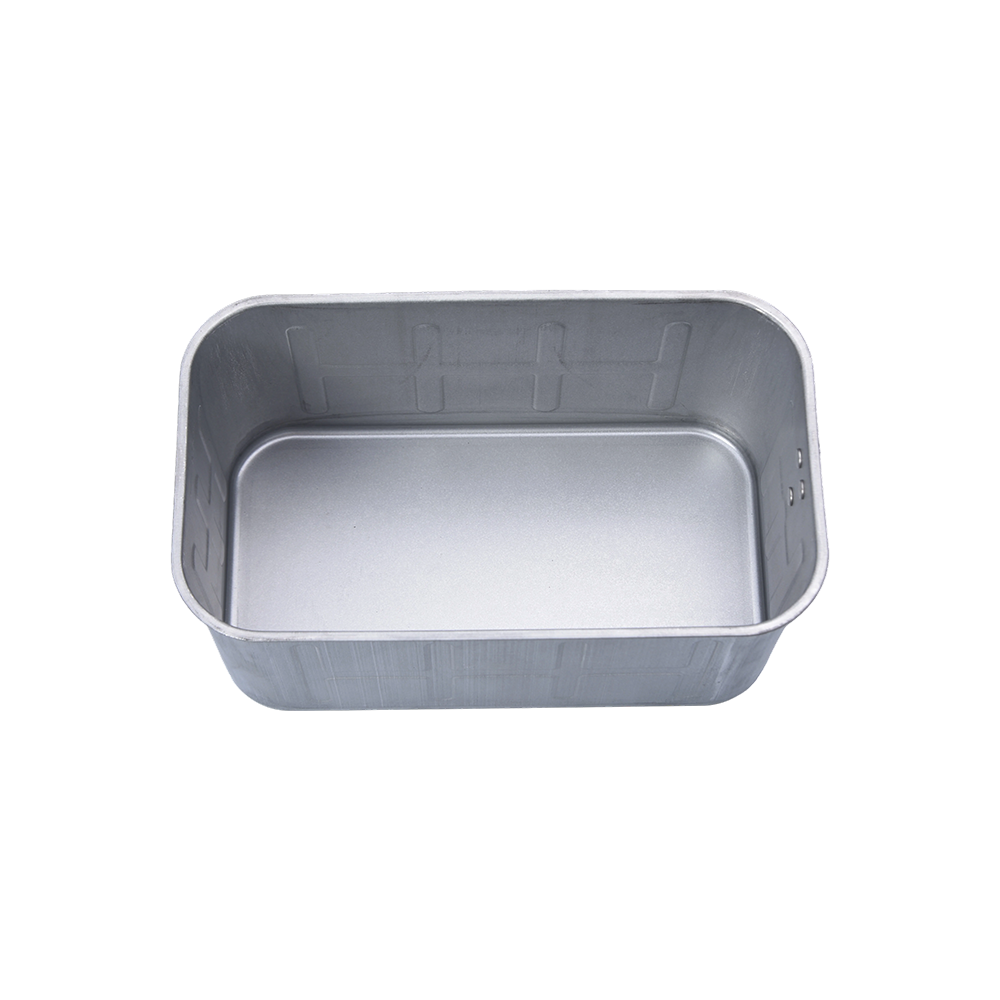
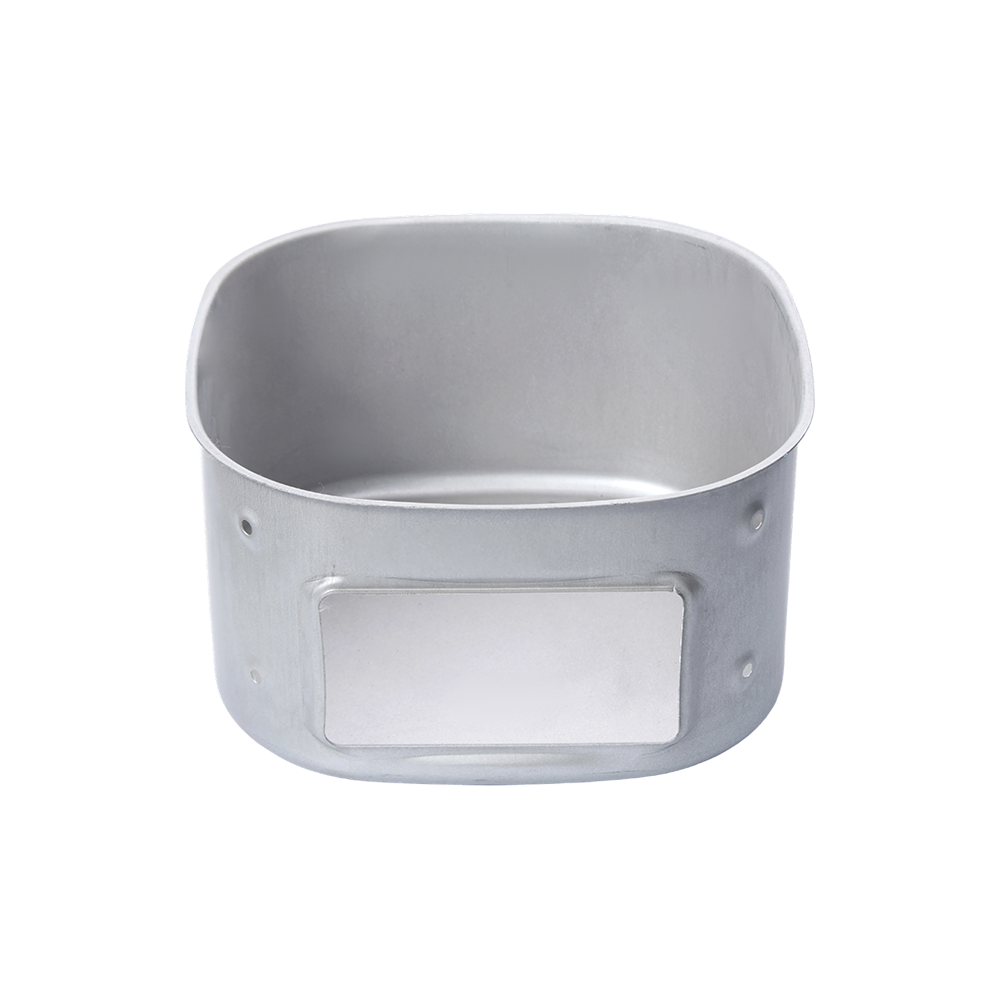
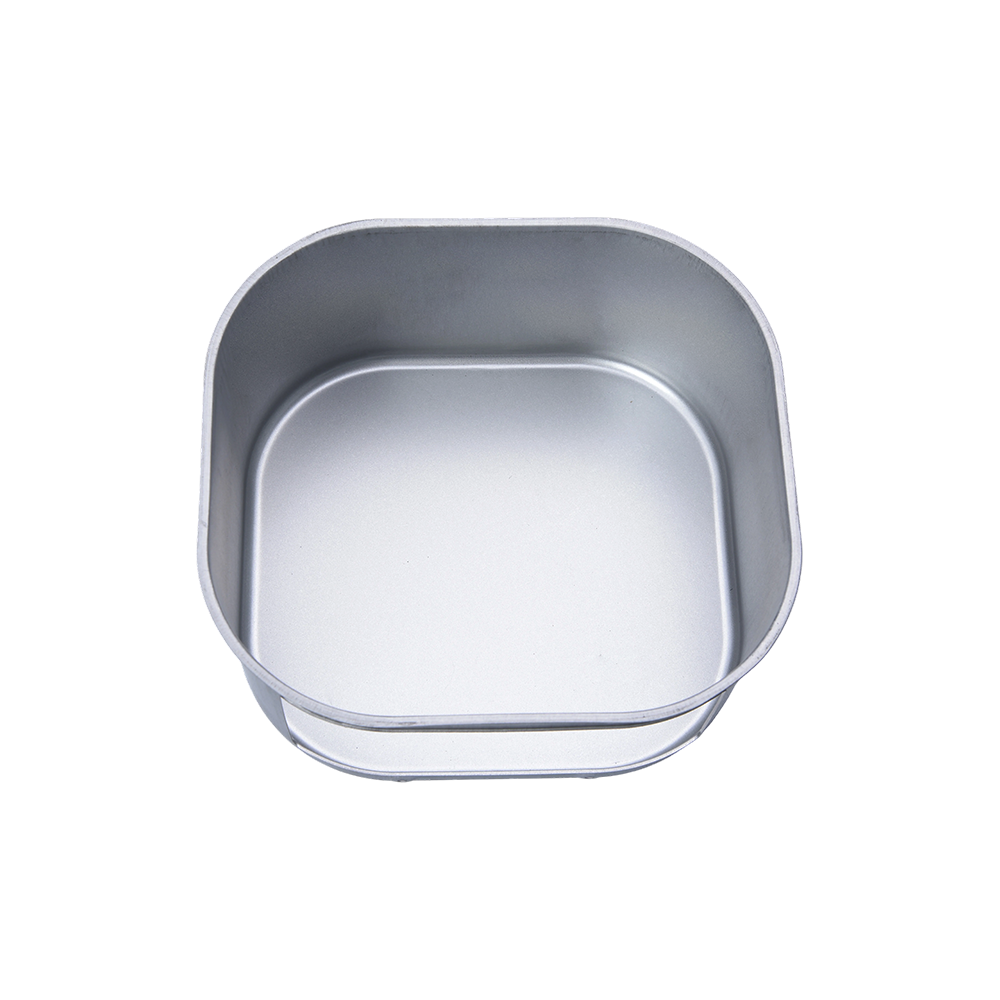
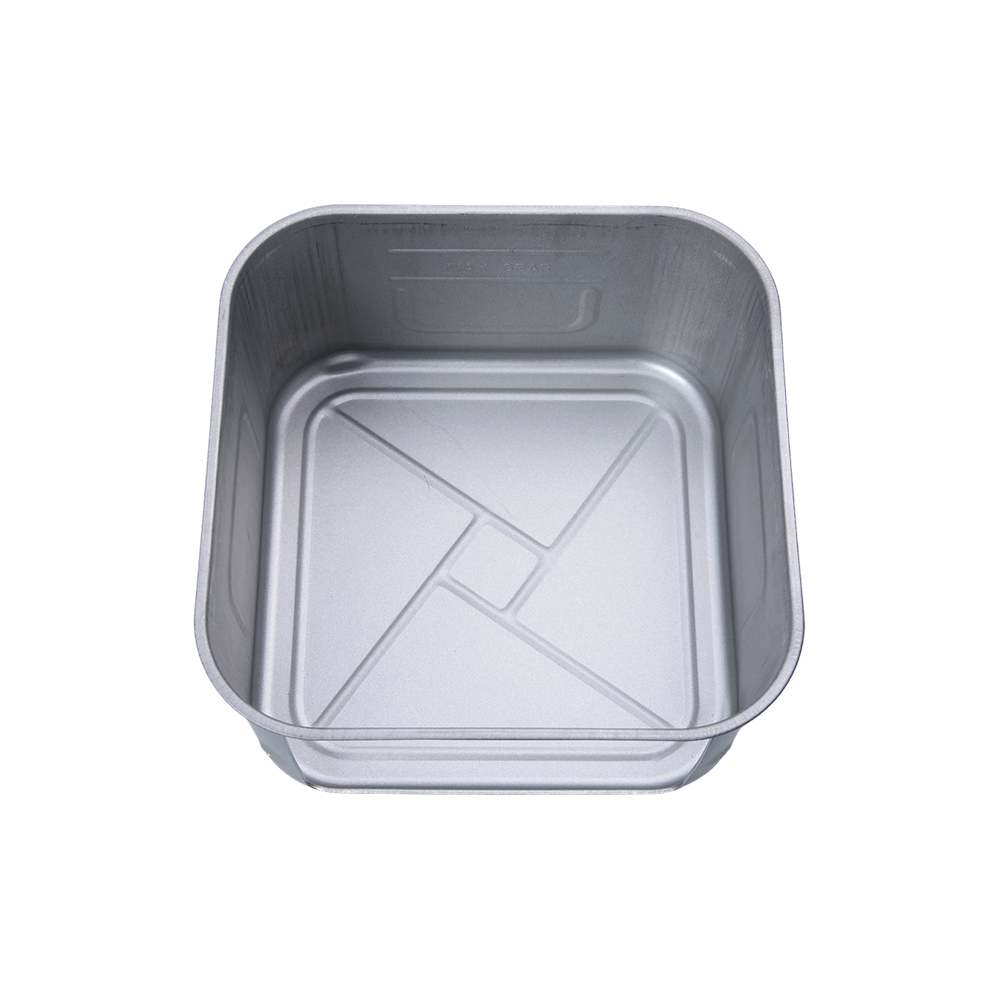
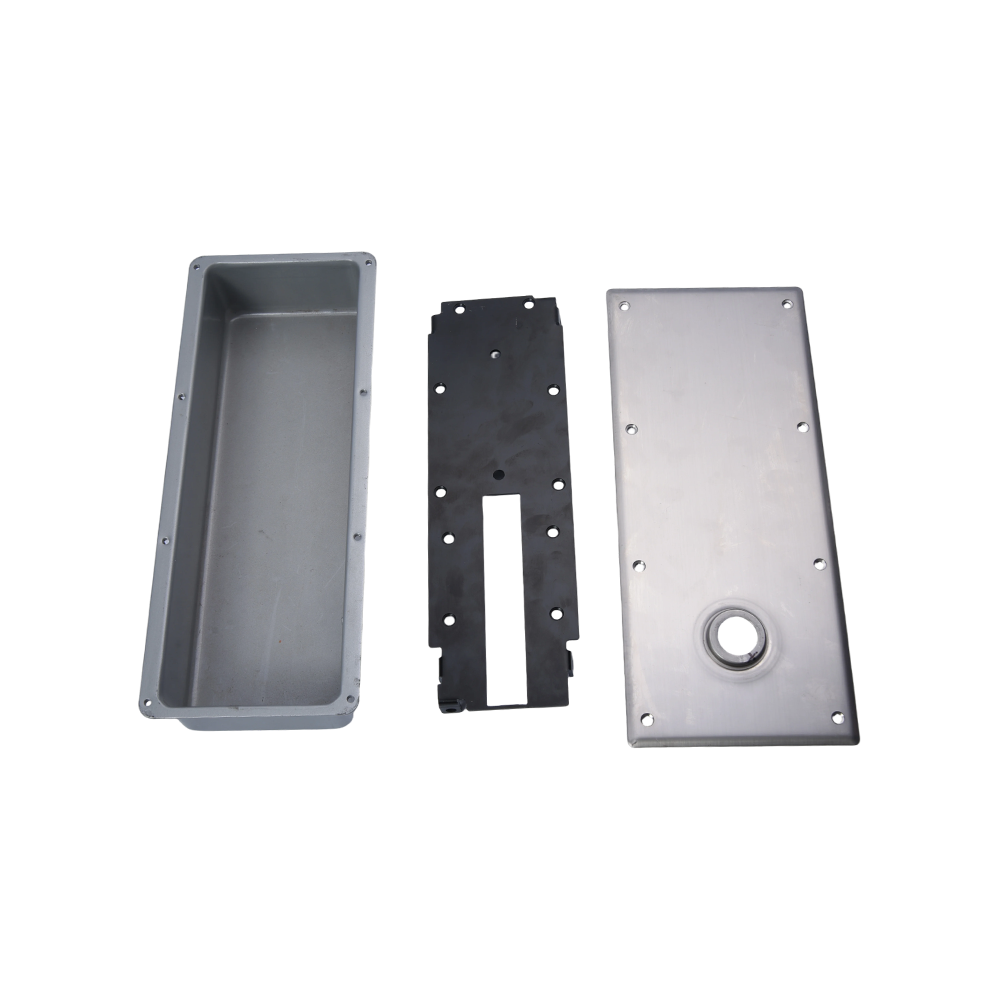
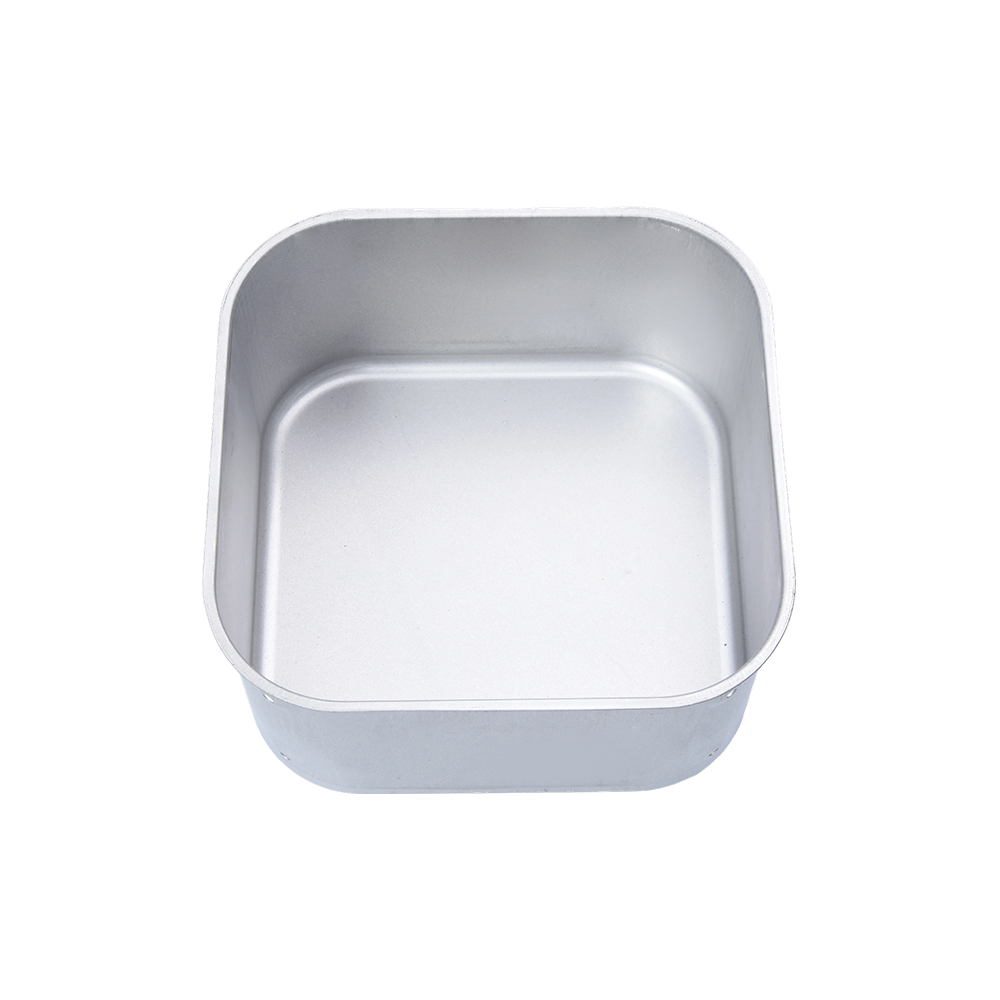
What Is Deep Drawing Process and What Are Deep-Drawn Parts The deep drawing process is a sheet metal forming operation in which a flat meta...
READ MORE

News
Home / News / Industry News / Deep Drawn Parts Guide: Process, Materials, Applications, and Design Tips
Deep Drawn Parts Guide: Process, Materials, Applications, and Design Tips
2026-09-10
When you need a metal component whose depth clearly exceeds its width, such as a one-piece battery enclosure, an air-fryer inner container, or a sealed sensor housing, the list of viable manufacturing processes narrows quickly. Fabricating from multiple pieces adds welds, cost, and leak points. Machining from solid stock consumes excess material and lengthens cycle time. That is why deep drawn parts exist: a flat sheet-metal blank is pushed into a die to form a seamless, dimensionally stable component at high production rates. If you are sourcing this type of part for the first time, or revisiting an existing design, the process is worth a close look.
What Are Deep Drawn Parts?
A deep drawn part is a hollow metal component formed by forcing a flat sheet-metal blank into a cavity die using a punch. The defining characteristic is that the depth of the formed shape is significant relative to its width or diameter. Depending on the application, parts range from small round shells under 10 mm long to large rectangular basins several hundred millimeters across.
Deep drawing differs from bending or shallow stamping. A deep drawn part has a continuous, unbroken wall with no seams along the side, which improves leak resistance, structural strength, and surface appearance. Because the material is stretched and compressed in a controlled way, the grain structure follows the part contour, so the finished component is often stronger than a machined or welded equivalent made from the same sheet thickness.
How the Deep Drawing Process Works
Deep drawing is a multi-step operation, even though the basic concept is simple. The process usually follows this sequence:
- Blanking: a blank is cut from coil or sheet stock to the required starting diameter or outline.
- First draw: a punch pushes the blank into a die cavity, forming a shallow cup or shell.
- Redrawing: if the required depth cannot be reached in one stroke, the part passes through additional dies with progressively smaller diameters.
- Trimming and flanging: the uneven top edge is trimmed to the final profile, and flanges or lips are formed as needed.
- Secondary operations: holes, cutouts, threads, surface finishing, and assembly features are added in subsequent stations.
Each stage requires precise tool alignment and lubrication control. The trade-off is straightforward: tooling investment is higher than for simple stamping, but the per-piece cost drops sharply once production volume increases.
For a more detailed look at how the technology relates to other forming methods, see our walkthrough of deep drawn parts and the deep drawing process.
Materials Commonly Used for Deep Drawn Parts
Most formable metals can be deep drawn, but material choice affects both the process window and the final part performance. The table below summarizes the most common options.
| Material | Key characteristics | Typical applications |
|---|---|---|
| Stainless steel | Corrosion resistance, hygienic surface, work hardens | Kitchen containers, medical housings, appliance trays |
| Aluminum | Lightweight, good formability, natural oxide finish | Heat exchanger shells, appliance components |
| Low-carbon steel | Low cost, excellent drawability, easy to plate or paint | Structural shells, automotive brackets, chassis parts |
| Copper and brass | Electrical and thermal conductivity, decorative appearance | Electrical terminals, fittings, small enclosures |
| Titanium and molybdenum | High strength and heat resistance, more difficult to form | Aerospace and high-temperature components |
When selecting a material, consider not only the end-use environment but also the draw ratio. Softer grades with high elongation, such as deep-drawing-quality steel, allow deeper draws with fewer intermediate anneals.
Where Deep Drawn Parts Are Used in Production
One of the clearest application clusters is kitchen appliances. Air fryers, ovens, and cooktops rely on deep drawn trays, containers, and base plates because the parts have to handle heat, food contact, and repeated cleaning without leaking or warping. A deep drawn air fryer tray, for instance, is formed from a single sheet of aluminum or stainless steel, so there are no joints where grease can collect.
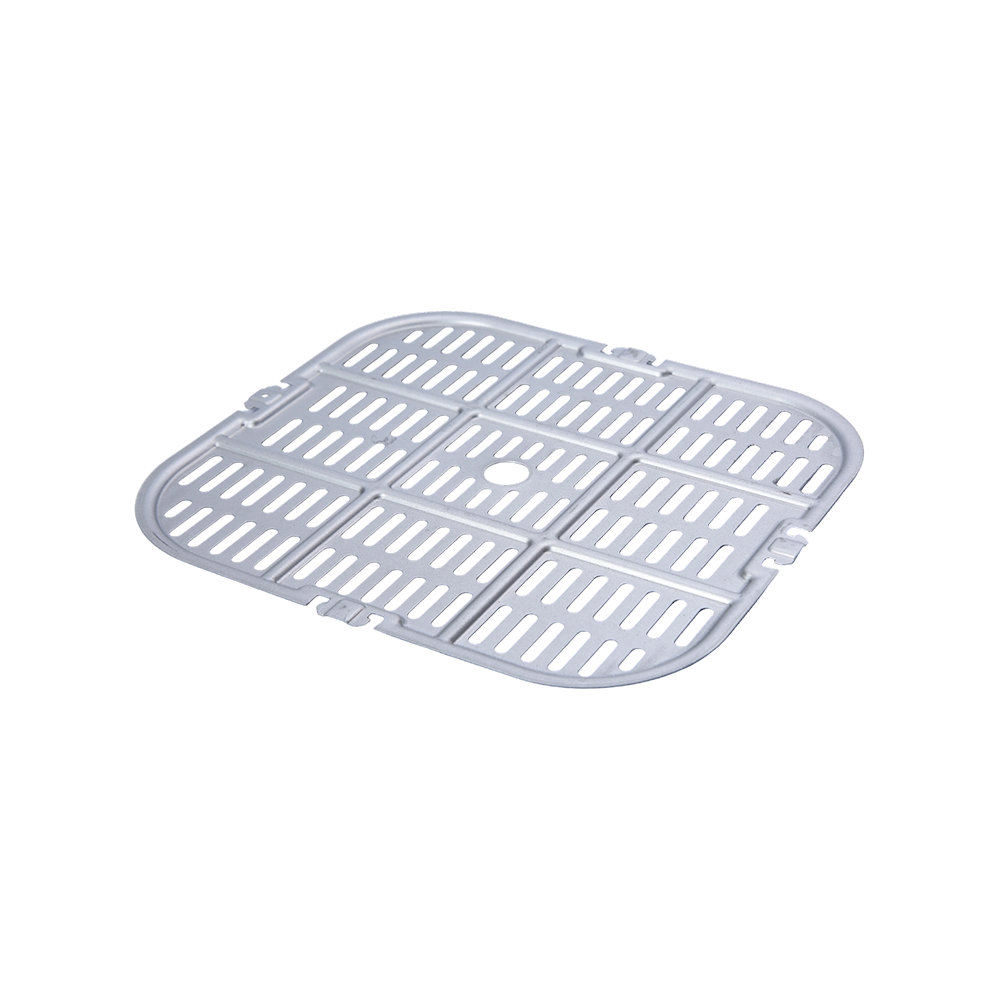 Deep-Drawn Air Fryer Baking Tray for Even HeatingThis single-sheet aluminum or stainless steel tray suits the kitchen appliance context, offering rust and stain resistance with a perforated surface for consistent air circulation and easy cleaning.View Product →
Automotive and transport are the other major market. Deep drawn parts appear as stamped sheet metal brackets, housings, and structural covers where a sealed one-piece wall is needed in confined spaces. The automotive category on many supplier sites includes everything from small clips to sizable sections of body structure.
Industrial users also depend on deep drawn components for battery casings, filter housings, relay cans, and electrical connectors. In each case, designers choose deep drawing over fabrication because the seamless wall improves pressure retention, electromagnetic shielding, or simply the finished appearance.
Design Considerations and Custom Options
A successful deep drawn part starts with geometry rules that respect the limits of metal flow. Sharp internal corners should be avoided, because the material thins quickly around a tight radius. The depth-to-diameter ratio, also called the draw ratio, is the main feasibility check: if the first draw asks too much of the material, the wall ripples or tears. Experienced manufacturers solve this by adding redraw stations, but each extra station means additional tooling cost.
On the positive side, once the tooling is proven, repeatability is excellent. Wall thickness remains consistent across the drawn area, and critical dimensions are typically held within +/- 0.05 mm on formed features. Cutouts, handles, lids, flanges, and connecting tabs can be added in the same production flow through secondary operations.
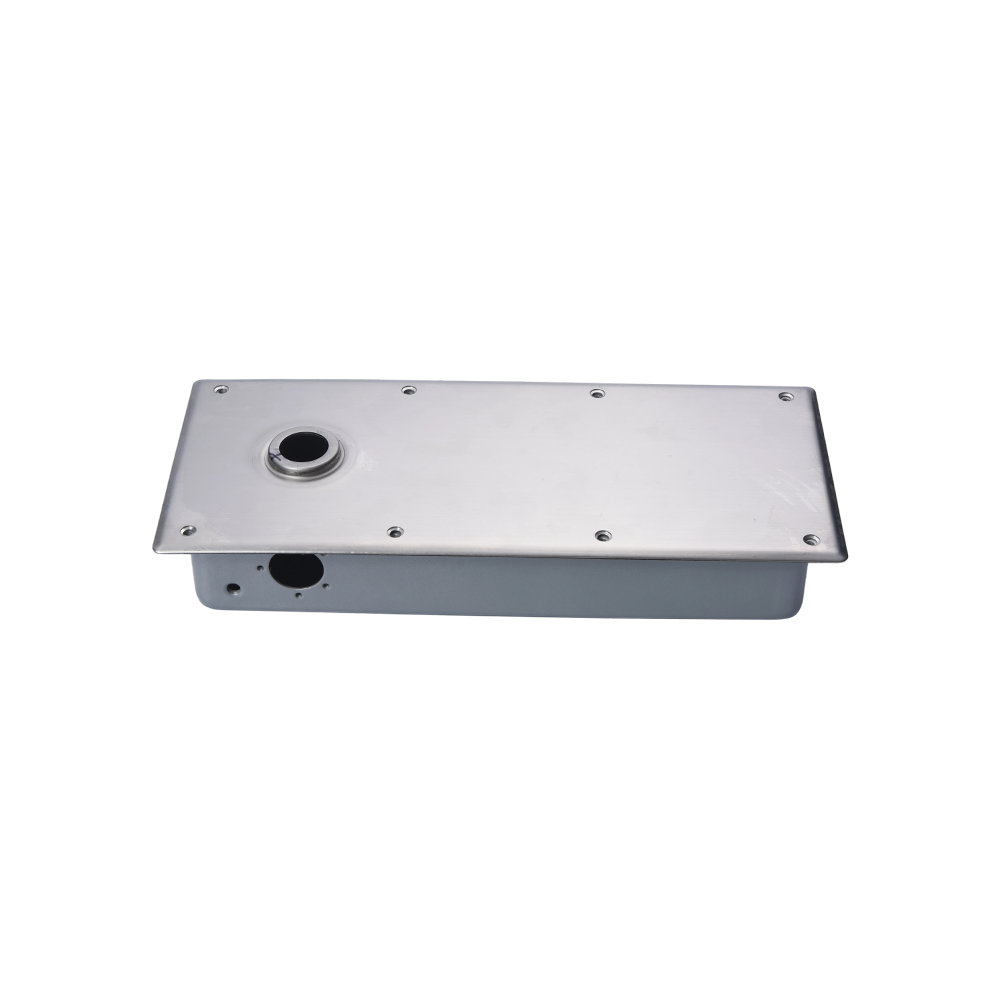 Deep-Drawn Rectangular Container with Airtight LidThe one-piece deep-drawn construction ensures a seamless, leak-proof seal, ideal for food processing, medical storage, or labs, with secondary operations adding custom features for OEM buyers.View Product →
For OEM and ODM buyers, customization usually starts with a drawing or a sample. The supplier develops tooling, produces prototypes, and ramps to serial production. Features such as a lid, a handle, or a one-side cutout can be combined in one part, which reduces assembly steps downstream.
Choosing a Partner for Deep Drawn Parts
The supplier's process depth matters more than the number of product photos on its website. Look for a factory with dedicated stamping workshops, in-house tooling support, and a track record in the industries you serve. A mid-size manufacturer with a 5,000-square-meter plant, multiple stamping workshops, and an annual production volume of 40 million parts, for example, can handle both standard parts and custom configurations without the lead times of a large conglomerate.
Ask where the tooling is built and who owns it after the program ends. Check whether the supplier supports OEM/ODM development and can finish prototyping quickly. Confirm the quality system and the equipment used for incoming material inspection. Finally, evaluate practical logistics: production capacity, response time, and experience with export documentation all affect your total cost.
At Yuyao Hongli Optoelectronics, deep drawn parts are produced alongside stamped and bent components for kitchen appliances, automotive, and industrial equipment, giving engineering and purchasing teams a single source for related metal parts.
Deep drawn parts deliver a combination that few processes can match: seamless walls, high production rates, and low unit cost once tooling is in place. For buyers, the practical path is straightforward. Identify the part geometry and volume, choose a material that fits the application, and work with a supplier that can design the draw sequence as early as possible. A part that is optimized for deep drawing will perform better, cost less, and reach production faster than one that was simply converted from a welded design.
Previous Post
How Do You Stamp Metal? A Clear Step-by-Step Guide to Industrial Metal Stamping
Next Post
Deep Drawing vs Stamping: Key Differences, Costs, and How to Choose the Right Process
News
-
-
What Are Stamped Parts? Stamped parts are metal components produced by pressing flat sheet metal between a die and a punch to cut, bend, or...
READ MORE -
A flat mounting plate with three punched holes and a rectangular container with a fitted lid can come off presses in the same workshop, yet...
READ MORE -
Every time you slide a tray into an air fryer, bolt a bracket beneath a dashboard, or snap a cover onto an electrical enclosure, you are ho...
READ MORE
Get Fresh Updates Via Email
We promise we will never disclose your email address, and you can opt out at any time.
-
Quick Links
Home About Us Products Service News Contact Us -
Product list
Deep-drawn parts Stamped parts Bending parts Kitchen appliance accessories Automotive stamping parts -
About Us
Factory Honour FAQ -
News
Company News Industry News -
Contact Us
Address: South side of Shunke Road, Yangming Science and Technology Industrial Park, Yuyao City, Zhejiang Province, China Tel: +86-13905842349/+86-13738485724 Email: hongli@hl-stamping.com
Copyright © Yuyao Hongli Optoelectronics Co., Ltd. All Rights Reserved.
Custom Precision-Sheet/Sheet Metal Stamping Manufacturers
