


 English
 русский
 Español
 عربى
عربى
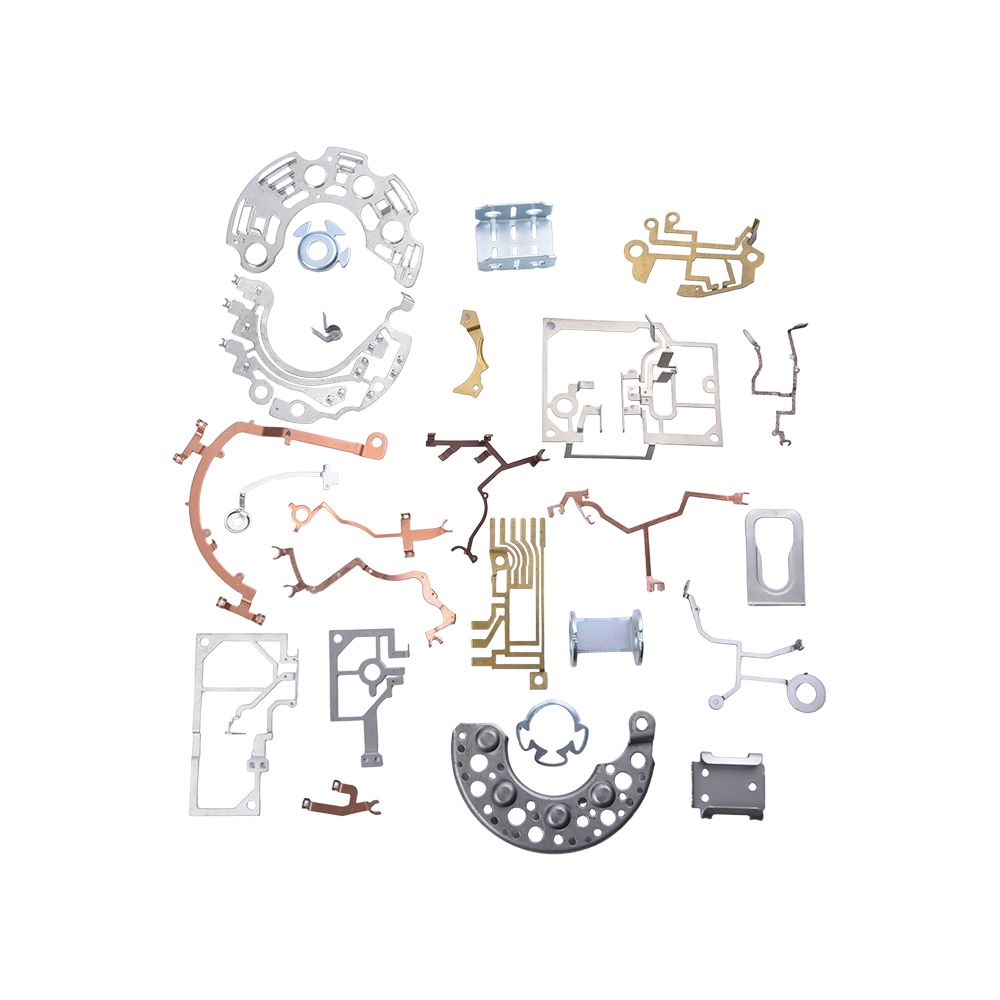
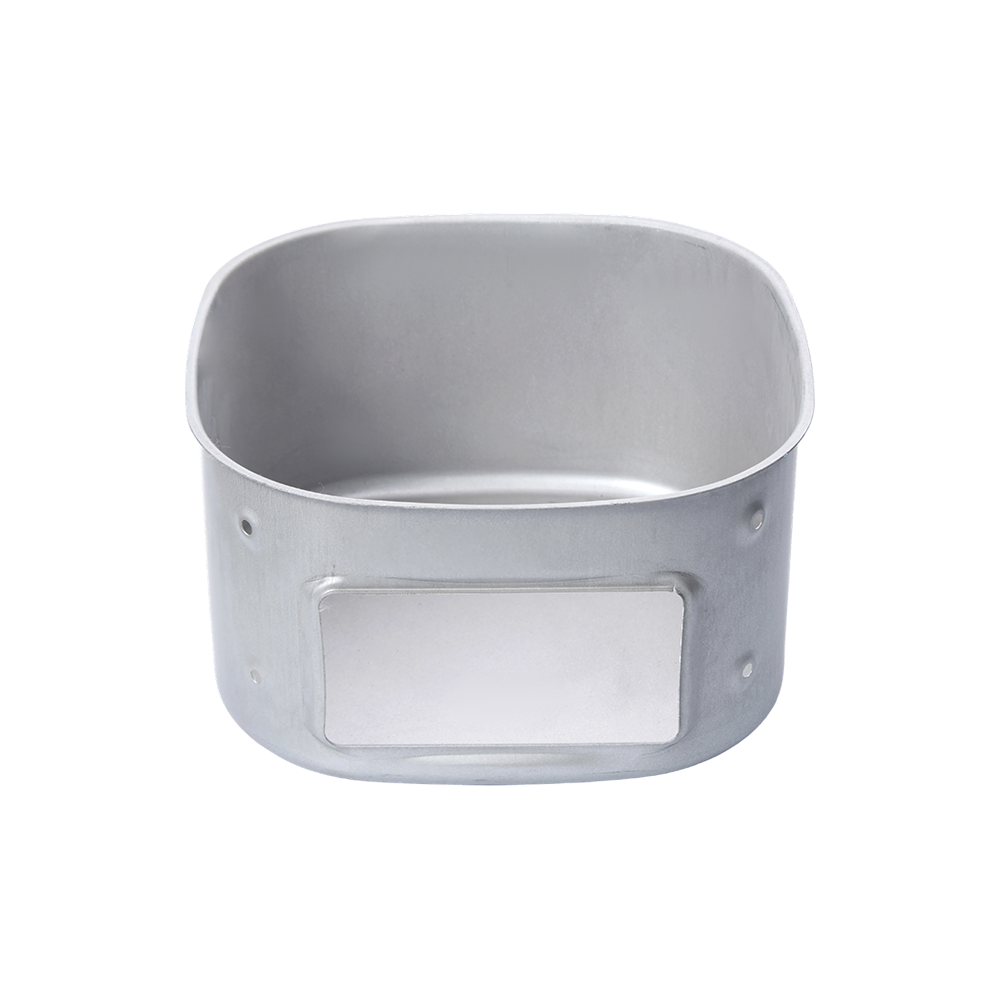
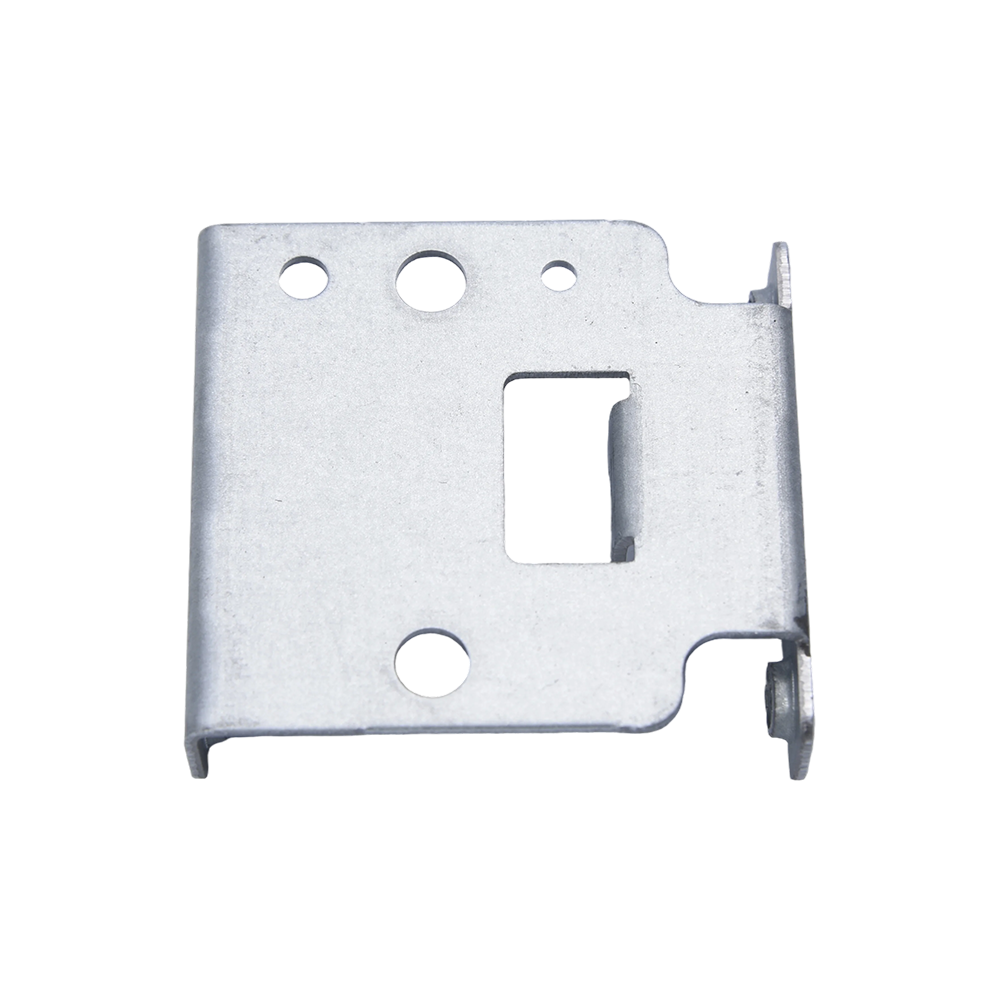
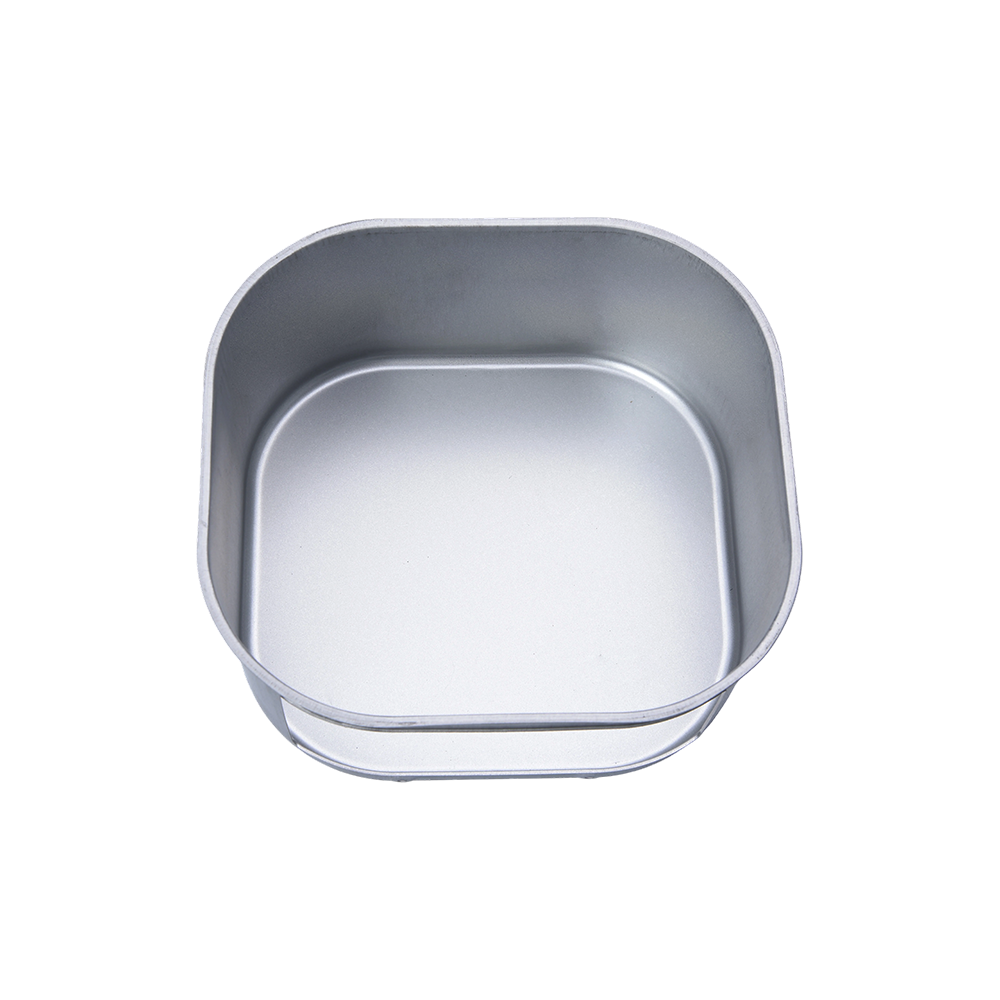
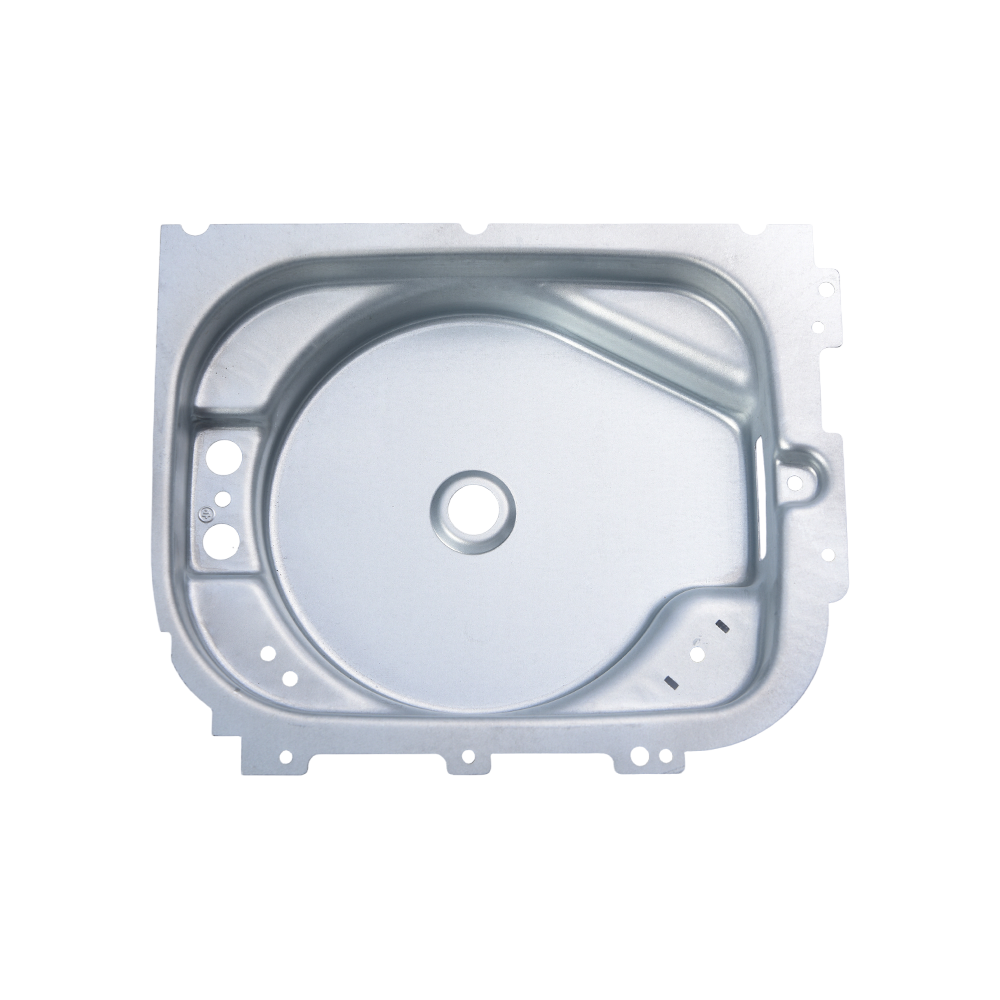
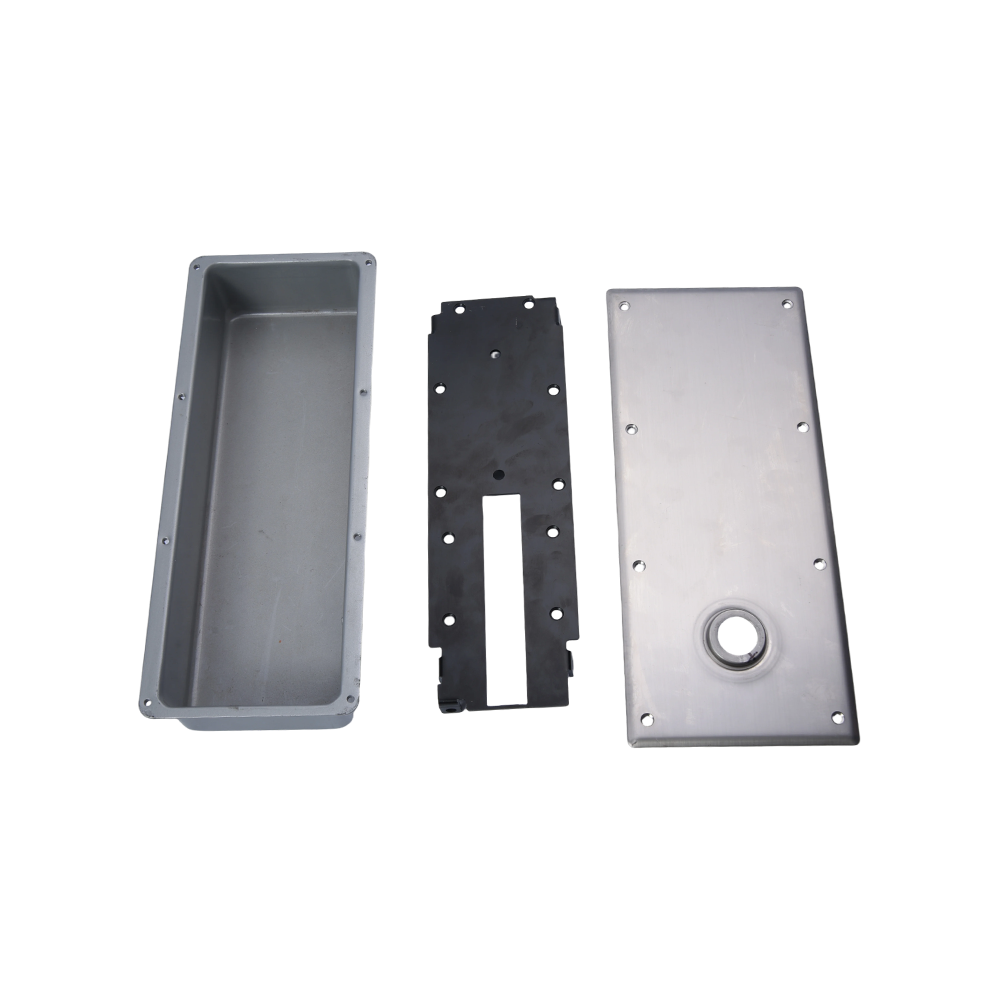
What Are Stamped Parts? Stamped parts are metal components produced by pressing flat sheet metal between a die and a punch to cut, bend, or...
READ MORE

News
Home / News / Industry News / Why might deep draw components outperform fabricated sheet metal parts in leak-proof applications?
Why might deep draw components outperform fabricated sheet metal parts in leak-proof applications?
2026-08-20
Manufacturing & Materials Engineering
Why Deep Draw Components Outperform Fabricated Sheet Metal Parts in Leak-Proof Applications
Seamless forming versus welded assembly — a closer look at where leaks actually begin, and why the answer changes how engineers should specify pressure-critical parts.
Deep draw components outperform fabricated sheet metal parts in leak-proof applications primarily because they are formed from a single sheet of metal without seams, welds, or mechanical joints — the three most common failure points where leaks originate. In a fabricated part, every weld bead, folded seam, or riveted joint introduces a potential path for fluid, gas, or pressure to escape over time. Deep-drawn parts, by contrast, are stretched and shaped into a continuous, monolithic form, meaning the entire component acts as a single sealed surface from the base to the flange. This structural difference is why industries handling fuel, coolant, hydraulic fluid, and pressurized gas increasingly specify deep draw components over multi-piece fabricated assemblies.
The Seam Problem in Fabricated Sheet Metal Parts
Fabricated sheet metal parts are typically built by cutting flat blanks, bending them into shape, and then joining the edges through welding, brazing, or mechanical fastening. Each of these joining methods introduces a discontinuity in the metal structure. Welds can develop porosity, incomplete fusion, or micro-cracks that are invisible during initial inspection but expand under repeated thermal cycling or pressure fluctuation.
Brazed joints rely on filler material bonding to the base metal, and any inconsistency in surface preparation or heat application can leave voids that become leak paths months or years after installation. Mechanically fastened seams, such as those using rivets or crimped edges, depend on gaskets or sealants to maintain a fluid-tight barrier. These sealing materials degrade over time due to temperature extremes, chemical exposure, or vibration, which gradually loosens the joint. In contrast, deep draw components never rely on a secondary sealing method at the body of the part, since the forming process itself produces a continuous wall.
Every weld, seam, and rivet is a decision — and each one is a place where a design chooses to trust a joint instead of trusting the material.
How Deep Drawing Eliminates Failure Points Common in Fabricated Parts
The deep drawing process forces a flat metal blank into a die cavity using a punch, radially drawing the material into a three-dimensional shape such as a cup, can, housing, or shell. Because the metal flows and stretches rather than being cut and rejoined, deep-drawn parts retain a single continuous grain structure across the entire surface of the component. There is no interruption where two separate pieces of metal meet.
Why Grain Continuity Matters for Sealing
Metal grain structure influences how a material responds to stress and pressure. When grain flow is interrupted by a weld or seam, that location becomes a stress concentration point, more prone to micro-fracturing under repeated pressure cycles. A deep drawn part maintains uniform grain flow around curves and corners, which distributes stress evenly and significantly reduces the likelihood of localized failure.
Fewer Components, Fewer Interfaces
A fabricated enclosure might require two, three, or more separate sheet metal pieces joined together, each interface representing an opportunity for leakage. A single deep drawn shell can often replace an entire multi-piece fabricated assembly, reducing the number of potential leak points from several to essentially zero along the body of the part.
Info
Deep drawing is a cold-forming or warm-forming process for most common metals, which means base material properties remain largely intact throughout the part, aside from intentional, controlled work-hardening introduced by the draw itself.
Wall Thickness Uniformity and Its Role in Sealing Performance
Consistent wall thickness is critical for predictable sealing behavior, especially in components subjected to internal pressure. Deep drawing, when properly engineered with correct blank holder force and draw ratio, produces wall thickness variation typically within a narrow, controlled range across the part body. Fabricated parts assembled from multiple pieces often show greater thickness inconsistency at the joints, since overlapping material, weld buildup, or folded edges create localized thick and thin zones.
Thin spots are especially problematic in leak-proof applications because they represent the weakest section of the part, likely to deform or crack first under pressure. Because deep draw components are formed through controlled material flow rather than assembly, manufacturers can predict and control wall thickness distribution far more precisely than with a welded or riveted structure.
Warning
A single thin spot at a weld overlap or folded edge can become the first point of failure under repeated pressure cycling, even when the rest of a fabricated assembly meets specification.
Comparing Leak Resistance: Deep Draw Components vs Fabricated Assemblies
The table below summarizes the practical differences between the two manufacturing approaches when leak-proof performance is the primary design requirement.
| Factor | Deep Draw Components | Fabricated Sheet Metal Parts |
|---|---|---|
| Seam count on body | None | One or more welded/joined seams |
| Grain structure | Continuous | Interrupted at joints |
| Wall thickness consistency | Controlled and predictable | Variable at overlaps and joints |
| Dependence on secondary sealants | Minimal, often only at flange or cap | High, gaskets and sealants required |
| Long-term fatigue resistance | High due to uniform stress distribution | Lower, stress concentrates at joints |
Material Behavior During Forming and Long-Term Seal Integrity
During deep drawing, the metal undergoes plastic deformation that work-hardens the material as it stretches over the die. This work-hardening effect can actually increase the strength of certain sections of the part compared to the original flat blank, without introducing the heat-affected zones that welding creates. Heat-affected zones near a weld are known to have altered mechanical properties, often becoming more brittle or prone to corrosion, which further increases the risk of eventual leak formation.
This consistency is a major reason deep draw components maintain their sealing performance across long service life, including in applications involving repeated pressure or temperature cycling.
Success
Because deep drawing avoids heat-affected zones entirely, parts retain more predictable mechanical properties across their full surface — a meaningful advantage in pressure- and temperature-cycled environments.
Real-World Applications Where Deep Drawing Prevents Leaks in Automotive Components
The automotive sector is one of the clearest illustrations of why seamless forming matters. Deep drawing automotive components such as fuel filter housings, oil pans, fluid reservoirs, and exhaust system shells must resist internal pressure, vibration, and constant thermal expansion and contraction without developing leaks over the vehicle's operating life. A fabricated equivalent assembled from stamped and welded pieces introduces weld seams directly into zones subjected to the highest mechanical stress, such as mounting points and pressure boundaries.
- Fuel system housings benefit from a single-piece draw that avoids weld-related fuel vapor leakage.
- Fluid reservoirs maintain consistent internal pressure without seam-related seepage under vibration.
- Battery and electronic enclosures rely on seamless walls to keep out moisture and contaminants.
- Exhaust and emissions-related shells resist high-temperature cycling without weld fatigue cracking.
In each of these examples, the absence of a body seam is not a minor manufacturing detail — it is often the deciding factor in whether a part passes long-term durability and leak testing.
Cost and Reliability Trade-offs When Choosing Between Processes
Tooling investment for deep drawing is generally higher upfront than for simple fabrication, since dies must be precisely engineered to control material flow, draw ratio, and wall thinning. However, this investment is often recovered through lower assembly labor, reduced quality control inspection for weld defects, and significantly lower field failure and warranty claim rates. Fabricated parts may appear cheaper per unit at low volumes, but the ongoing cost of leak-related failures — including recalls, replacements, and customer dissatisfaction — frequently outweighs the initial tooling savings once production scales up.
Production Volume Considerations
For high-volume production runs, the per-unit cost of deep-drawn parts drops substantially once tooling is amortized, while fabrication and welding labor costs remain relatively constant per unit regardless of volume. This makes deep drawing the more economical and more reliable choice for programs expected to run for multiple years.
Danger
Underestimating field failure costs is a common planning mistake. A lower per-unit fabrication price can be erased many times over by a single leak-related recall once a program reaches full production volume.
When Fabricated Sheet Metal Might Still Make Sense
Fabrication is not without its place. For very low production volumes, highly irregular geometries that cannot be achieved through drawing, or parts where leak-tightness is not a functional requirement, fabricated sheet metal can be a faster and less capital-intensive option. Prototype development often relies on fabrication precisely because it avoids the cost and lead time of building a draw die.
However, once a design moves toward mass production and leak performance becomes a functional requirement — whether for fluid containment, gas sealing, or environmental protection of internal components — deep draw components consistently demonstrate superior and more predictable sealing behavior compared to their fabricated counterparts.
Key Takeaways for Engineers and Buyers
- Seamless forming eliminates the primary source of leaks found in welded and joined assemblies.
- Continuous grain flow in deep-drawn parts reduces stress concentration and improves fatigue life.
- Controlled wall thickness across the drawn body supports predictable, repeatable sealing performance.
- Automotive and fluid-handling applications benefit most from the leak resistance deep drawing provides.
- Higher tooling investment is typically offset by lower failure rates and reduced warranty exposure at scale.
The case for deep draw components in leak-proof applications comes down to a simple engineering truth: a part with no seam cannot leak at a seam that does not exist. Fabrication will always have a role for low-volume, irregular, or non-pressure-critical parts — but wherever sealing performance is a functional requirement, the continuous, monolithic structure of a deep drawn part remains the more dependable foundation to design around.
Previous Post
Deep Drawing vs Stamping: Key Differences, Costs, and How to Choose the Right Process
Next Post
Deep-Drawn Parts and What Is Deep Drawing Process
News
-
-
What Is Deep Drawing Process and What Are Deep-Drawn Parts The deep drawing process is a sheet metal forming operation in which a flat meta...
READ MORE -
A flat mounting plate with three punched holes and a rectangular container with a fitted lid can come off presses in the same workshop, yet...
READ MORE -
Metal stamping is the process of placing flat sheet metal—either in blank or coil form—into a stamping press, where a tool and die surface ...
READ MORE
Get Fresh Updates Via Email
We promise we will never disclose your email address, and you can opt out at any time.
-
Quick Links
Home About Us Products Service News Contact Us -
Product list
Deep-drawn parts Stamped parts Bending parts Kitchen appliance accessories Automotive stamping parts -
About Us
Factory Honour FAQ -
News
Company News Industry News -
Contact Us
Address: South side of Shunke Road, Yangming Science and Technology Industrial Park, Yuyao City, Zhejiang Province, China Tel: +86-13905842349/+86-13738485724 Email: hongli@hl-stamping.com
Copyright © Yuyao Hongli Optoelectronics Co., Ltd. All Rights Reserved.
Custom Precision-Sheet/Sheet Metal Stamping Manufacturers
